

The Complete Guide to Cement Suppliers: Selection, Evaluation, and Market Trends (2026)
Cement suppliers play a central role in the global construction industry. From small residential developments to large-scale infrastructure projects, the reliability and performance of cement suppliers directly influence construction quality, timelines, regulatory compliance, and financial outcomes.
In 2026, selecting cement suppliers has become more complex than ever. Buyers must navigate fluctuating energy costs, stricter environmental regulations, supply chain disruptions, and increasing expectations for transparency and technical support.
As a result, cement procurement is no longer a transactional decision—it is a strategic one.
This pillar guide provides a comprehensive overview of cement suppliers, covering how they operate, how to evaluate them, what risks to consider, and how global trends are reshaping the cement supply market.
Understanding the Role of Cement Suppliers
cement providers act as the link between cement production and construction demand. While some cement providers are also manufacturers, many operate as distributors, exporters, or regional supply partners.
Their responsibilities extend beyond delivering cement. They manage logistics, storage, pricing structures, regulatory compliance, and customer support.
In modern construction markets, experienced cement providers help stabilize supply chains, mitigate risk, and ensure consistent material availability. Their role becomes especially critical in long-term or cross-border projects where logistics coordination and regulatory knowledge are essential.
Types of Cement Suppliers in the Global Market
Cement suppliers typically fall into several categories depending on their business model and market focus. Understanding these distinctions helps buyers choose the right type of supplier for their needs.
Somecement providers are vertically integrated manufacturers that control production, storage, and distribution. Others specialize in regional distribution, bulk trading, or international export.
There are also niche cement suppliers that focus on specific cement types, such as low-carbon cement, blended cement, or high-performance products.
Each type offers different advantages in terms of pricing control, flexibility, and technical expertise.
Key Criteria for Evaluating Cement Suppliers
Product Quality and Compliance
Quality consistency is the foundation of any reliable relationship with cement suppliers. Professional suppliers provide products that meet international standards such as ASTM, EN, or ISO.
Compliance ensures predictable performance in strength development, durability, and setting behavior.
In 2026, buyers increasingly require certified test reports, batch consistency documentation, and performance data from previous projects.cement providers with advanced quality control systems and modern production technologies are better positioned to meet these expectations.
Production Capacity and Supply Stability
Supply reliability is one of the most critical evaluation factors when working with cement suppliers.
Adequate production capacity, storage infrastructure, and contingency planning are essential for meeting demand without interruption.
Experienced cement suppliers invest in diversified sourcing, preventive maintenance, and logistics redundancy to reduce the risk of supply disruptions.
In large-scale projects, uninterrupted cement supply often matters more than marginal price differences.
Pricing Transparency and Commercial Terms
Pricing transparency has become a defining characteristic of trustworthy cement providers .
Buyers expect clear explanations of how prices are formed, including the impact of fuel costs, raw materials, transportation, and regulatory compliance.
Leading cement providers offer well-defined commercial terms such as FOB, CFR, or CIF and support predictable pricing models for long-term contracts.
Transparent pricing reduces uncertainty and strengthens long-term partnerships.
Logistics Capability and Distribution Network
Efficient logistics distinguish top-tier cement providers from the rest.
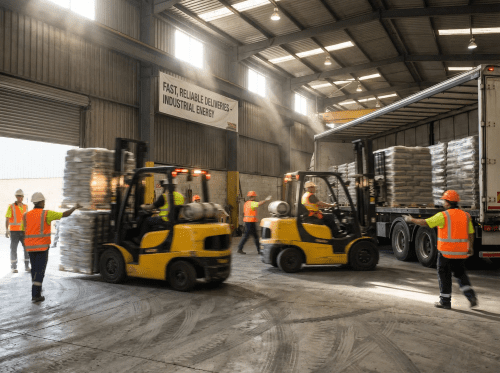
Reliable suppliers manage transportation across ports, terminals, warehouses, and inland delivery networks with accuracy and flexibility.
In 2026, many cement suppliers provide multiple delivery options, real-time lead-time forecasting, and export expertise.
Strong logistics performance improves construction planning and reduces costly delays.
Sustainability and Environmental Responsibility
Environmental performance is now a core consideration when selecting cement suppliers.
Governments and project owners increasingly require compliance with emissions standards and sustainability targets.
Progressive cement providers invest in CO₂ reduction technologies, alternative fuels, energy efficiency, and environmental certifications.
Sustainable cement suppliers often gain preference in public infrastructure and international projects due to ESG requirements.
Market Experience and Reputation
The track record of cement suppliers provides valuable insight into their reliability.
Established cement suppliers with experience across multiple regions and project types are generally better equipped to manage operational and regulatory challenges.
Buyers should evaluate years of operation, client references, export experience, and financial stability.
A strong reputation reduces risk and supports long-term collaboration.
Technical Support and Value-Added Services
Modern cement suppliers increasingly offer technical services alongside product delivery.
These services may include mix design support, application guidance, performance optimization, and troubleshooting.
In complex construction projects, technical collaboration with cement providers can improve material efficiency, reduce waste, and enhance structural performance.
This level of engagement transforms suppliers into strategic partners.
Common Risks When Working With Cement Suppliers
Despite careful evaluation, buyers should remain aware of common risks when working with cement providers .
These include inconsistent quality, unreliable delivery schedules, opaque pricing structures, and limited technical support.
In international procurement, additional risks may arise from regulatory differences, currency volatility, and logistical complexity.
Mitigating these risks requires due diligence, clear contracts, and strong communication with cement suppliers.

Global Trends Shaping Cement Suppliers in 2026
Several trends are reshaping how cement suppliers operate worldwide.
Sustainability regulations are accelerating innovation in low-carbon cement. Digitalization is improving supply chain visibility and pricing transparency.
At the same time, geopolitical uncertainty and energy market volatility continue to affect availability and costs.
cement providers that adapt to these trends through investment, innovation, and strategic partnerships are more likely to remain competitive in the coming years.
Conclusion
Cement suppliers are no longer simple material providers; they are strategic partners in construction success.
In 2026, selecting the right cement providers requires a comprehensive evaluation of quality, reliability, logistics capability, pricing transparency, sustainability performance, and market experience.
Buyers who take a structured, long-term approach to supplier selection reduce risk, improve project outcomes, and build resilient supply chains in an increasingly complex construction market.
(FAQ)
What is the difference between cement suppliers and cement manufacturers?
Cement manufacturers produce cement, while cement providers may act as manufacturers, distributors, exporters, or regional partners handling logistics and sales.
How can buyers verify the reliability of cement suppliers?
Buyers should review certifications, historical delivery performance, project references, and the supplier’s logistics and technical capabilities.
Are sustainable cement suppliers more expensive?
Sustainable cement suppliers may have slightly higher prices, but they often reduce regulatory and long-term compliance risks.
Do cement suppliers provide technical support?
Many leading cement suppliers offer mix design assistance, application guidance, and performance troubleshooting.
Why is supply reliability more important than price?
Supply disruptions caused by unreliable cement providers can halt construction projects, creating delays and indirect costs far greater than minor price differences.