
Clinker Price per Ton: What Buyers Must Understand Before Choosing Suppliers
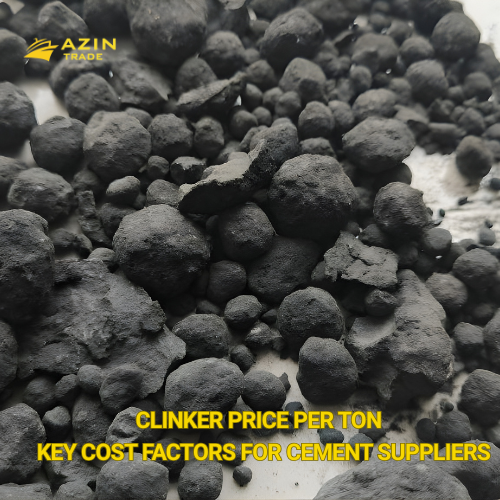
Clinker price per ton is one of the most critical metrics for cement producers and bulk buyers evaluating different clinker suppliers. While price is often treated as a simple number, it reflects a complex mix of production efficiency, logistics, quality control, and market dynamics.
Buyers who understand what drives clinker pricing are better positioned to compare suppliers objectively, negotiate stronger contracts, and avoid hidden long-term costs.
Key Cost Components Behind Clinker Price per Ton
Energy consumption is the largest cost driver in clinker production. High-temperature kiln operations rely heavily on coal, petcoke, or alternative fuels, making clinker prices sensitive to fuel market fluctuations. Suppliers with optimized energy systems and fuel diversification tend to offer more stable pricing.
Raw material quality and quarry proximity also influence cost structures. Clinker suppliers with consistent limestone reserves and efficient extraction processes can maintain predictable production costs over time.
The Role of Logistics in Final Clinker Pricing
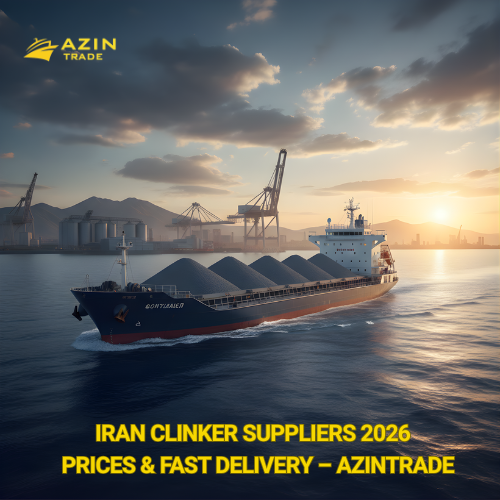
Transportation often represents a significant portion of the delivered clinker price per ton. Distance to export terminals, port efficiency, freight rates, and vessel availability all affect final costs.
For international buyers, sourcing from geographically closer clinker suppliers can reduce exposure to freight volatility and improve delivery reliability. Bulk shipments typically offer lower per-ton costs compared to bagged clinker, especially for large volumes.
How Quality Specifications Affect Price per Ton
Clinker price per ton should never be evaluated without considering quality parameters. Chemical composition, free lime content, and grindability directly influence cement performance and downstream production efficiency.
Higher-quality clinker may come at a slightly higher initial price, but it often reduces grinding energy consumption and improves cement strength consistency. Over time, this can lower total production costs despite a higher purchase price.
Market Conditions and Pricing Volatility
Global construction demand, export policies, and environmental regulations all influence clinker pricing cycles. During periods of strong demand or supply constraints, clinker prices tend to rise, particularly in major exporting regions.
Buyers working with established clinker suppliers often mitigate volatility through long-term contracts, indexed pricing models, or diversified sourcing strategies.

Using Clinker Price per Ton to Evaluate Suppliers
Rather than chasing the lowest offer, buyers should use clinker price per ton as a comparison tool within a broader supplier evaluation framework. Pricing transparency, delivery performance, and technical consistency often matter more than marginal price differences.
Reliable clinker suppliers typically provide clear cost structures, stable quality, and predictable supply—factors that protect buyers from operational disruptions and unexpected expenses.
Why Price Understanding Strengthens Supplier Selection
Understanding clinker price per ton allows buyers to align procurement decisions with long-term operational goals. Suppliers that combine competitive pricing with consistency and reliability tend to deliver greater value over time.
When price analysis is integrated with supplier evaluation, buyers gain stronger negotiating leverage and build more resilient cement supply chains.
FAQ
What factors most affect clinker price per ton?
Energy costs, raw material quality, logistics, and quality specifications are the main drivers. Buyers should consider all these components to choose reliable suppliers.
Why does clinker price vary by region?
Prices differ due to raw material availability, environmental regulations, and shipping costs. Regional sourcing can reduce volatility and improve delivery reliability.
How can buyers use clinker price per ton to assess suppliers?
Price should be evaluated alongside quality consistency, delivery reliability, and transparency to identify long-term value from suppliers.