
Clinker Suppliers: The Complete Guide to Choosing the Right Partner for Global Cement Production
In the global cement industry, clinker suppliers sit at the quiet but critical heart of the supply chain. Every ton of cement begins its life as clinker, and the quality, consistency, logistics, and reliability of the supplier directly shape the competitiveness of cement manufacturers, traders, and construction projects worldwide.
This in‑depth guide is designed to answer every major search intent behind the keyword clinker suppliers: from technical specifications and sourcing regions to pricing, logistics, quality control, and long‑term partnerships. The goal is simple—create the most authoritative, comprehensive, and trustworthy resource on the topic.
What Is Cement Clinker?
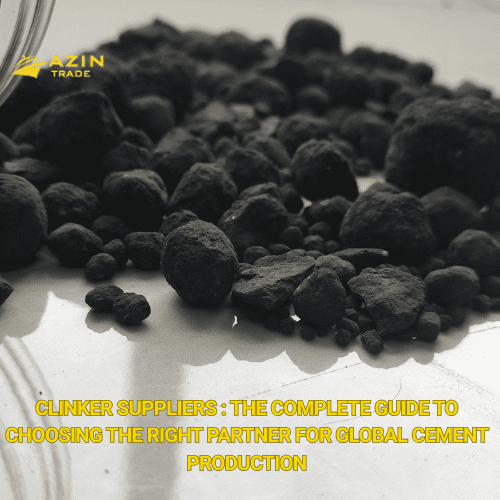
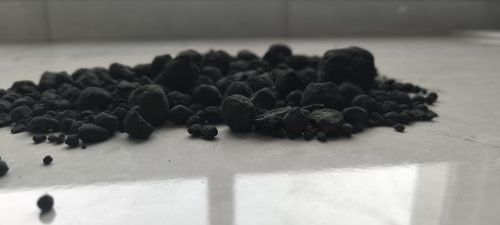
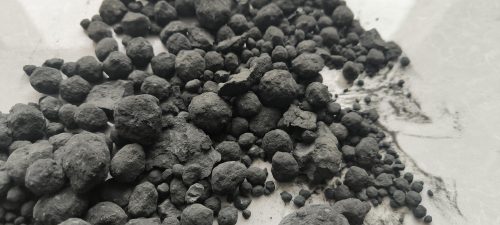
Clinker is a nodular material produced by heating limestone and clay minerals in a rotary kiln at temperatures around 1450°C. These nodules are then ground with gypsum to produce Portland cement. The chemical and mineral composition of clinker determines cement strength, setting time, durability, and performance in different environments.
Because clinker is the foundation of cement, choosing the right clinker supplier is not a procurement detail—it is a strategic decision.
Why Choosing the Right Clinker Supplier Matters
Not all clinker is created equal. Variations in raw materials, kiln technology, and process control lead to meaningful differences in quality and performance. Reliable clinker suppliers offer:
• Consistent chemical composition (C3S, C2S, C3A, C4AF balance)
• Stable physical properties and grindability
• Compliance with international standards (ASTM, EN, BS)
• Predictable logistics and delivery schedules
• Transparent documentation and testing
For cement producers and traders, these factors translate directly into lower production risks, stable cement quality, and stronger customer trust.
Global Clinker Suppliers and Major Export Regions
The global clinker market is shaped by geography, energy costs, and port access. Leading clinker suppliers are concentrated in regions where production costs are competitive and export infrastructure is strong.
Middle East
Countries such as Iran, Saudi Arabia, and the UAE are among the world’s most active clinker exporters. Access to limestone reserves, large‑scale modern kilns, and proximity to Asian and African markets make this region strategically important.
Asia
Vietnam and Indonesia are major clinker suppliers to Southeast Asia, China, and Africa. High‑capacity plants and aggressive pricing have made Asian clinker highly competitive in global tenders.
Europe
Turkey stands out as a key clinker supplier, combining quality production with strong logistics to Europe, Africa, and the Mediterranean basin.
Africa
Egypt has emerged as a significant clinker exporter, particularly to African and European markets, driven by excess production capacity and port accessibility.
Key Qualities of Reliable Clinker Suppliers
A top‑tier clinker supplier is defined by more than price alone. The strongest suppliers consistently demonstrate:
Quality Assurance
Regular laboratory testing, full chemical analysis, and compliance with ASTM C150 or EN 197 standards ensure predictable cement performance.
Production Capacity
High‑capacity kilns reduce supply risk and allow suppliers to meet long‑term contracts without interruption.
Logistics Expertise
Export clinker requires efficient bulk handling, port coordination, and vessel scheduling. Experienced clinker suppliers minimize demurrage and delivery delays.
Transparency
Clear documentation—mill test certificates, certificates of origin, SGS or BV inspections—builds trust and reduces disputes.
Clinker Specifications Buyers Look For
When evaluating clinker suppliers, buyers typically focus on:
• Lime Saturation Factor (LSF)
• Silica Modulus (SM)
• Alumina Modulus (AM)
• Free lime percentage
• Compressive strength potential
• Grindability
Professional clinker suppliers proactively share these parameters and adapt production to buyer requirements when possible.
Clinker Pricing and Market Dynamics
Clinker prices fluctuate based on fuel costs, freight rates, regional demand, and environmental regulations. Unlike cement, clinker pricing is highly sensitive to shipping costs due to its bulk nature.
Long‑term contracts with reliable clinker suppliers often outperform spot purchases by providing:
• Price stability
• Guaranteed volumes
• Priority loading schedules
• Reduced supply chain risk
Sustainability and Environmental Considerations
Modern clinker suppliers are under increasing pressure to reduce CO₂ emissions. Leading producers invest in:
• Alternative fuels
• Energy‑efficient kilns
• Waste heat recovery systems
• Clinker factor reduction strategies
For buyers focused on ESG goals, supplier sustainability performance is becoming a decisive factor.
How to Choose the Best Clinker Supplier for Your Business
The best clinker supplier is not necessarily the cheapest. The optimal choice balances quality, reliability, logistics, and long‑term partnership potential. Serious buyers evaluate suppliers through plant audits, third‑party inspections, and trial shipments before committing to large volumes.
In a volatile global market, dependable clinker suppliers become strategic allies rather than interchangeable vendors.
Final Thoughts
As global construction demand shifts and environmental standards tighten, the role of professional clinker suppliers is more important than ever. Companies that invest in quality, transparency, and logistics excellence will continue to dominate international markets.
This guide is built to serve as a definitive reference for anyone searching for clinker suppliers—from cement manufacturers and traders to procurement managers and industry analysts.
Types of Clinker Supplied in the Global Market
Professional clinker suppliers typically offer different clinker types depending on end‑use requirements and regional standards. The most common categories include:
Ordinary Portland Cement (OPC) clinker, used for general construction and infrastructure projects.
Sulphate Resistant Clinker (SRC), designed for aggressive environments such as marine structures and sewage systems.
Low Alkali Clinker, preferred for projects where alkali–silica reaction (ASR) risk must be minimized.
White and specialty clinker, produced in limited volumes for architectural and decorative cement applications.
Understanding which type of clinker a supplier can reliably deliver is critical for long‑term production stability.
Quality Control and Inspection Process
Reputable clinker suppliers implement multi‑layer quality control systems throughout production and export. This typically includes:
• Continuous sampling during kiln operation
• XRF and XRD chemical analysis
• Physical strength prediction testing
• Third‑party inspection by SGS, Bureau Veritas, or Intertek prior to shipment
Buyers working with professional clinker suppliers often request pre‑shipment inspection reports to reduce risk and ensure contract compliance.
Packing, Bulk Handling, and Shipping Options
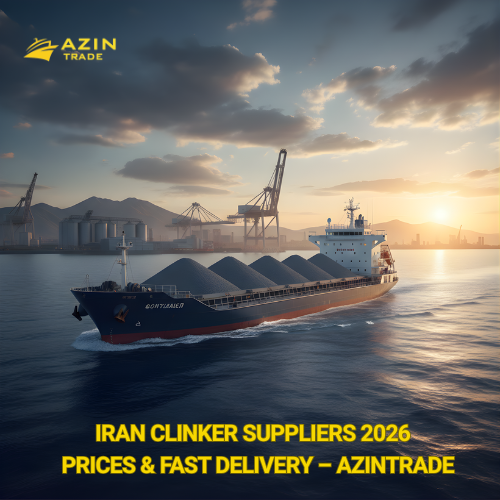
Most international clinker trade is conducted in bulk form due to cost efficiency. Reliable clinker suppliers operate dedicated bulk terminals or have long‑term agreements with port facilities.
Key logistics considerations include vessel size compatibility, loading rates, moisture control, and demurrage management. Some clinker suppliers also offer jumbo bag or bagged clinker for niche markets with limited bulk infrastructure.
Documentation Required When Buying Clinker
Experienced clinker suppliers provide complete export documentation, including:
• Certificate of Origin
• Commercial Invoice and Packing List
• Bill of Lading
• Mill Test Certificate
• Inspection Certificate
Accurate and timely documentation is essential for smooth customs clearance and downstream cement production planning.
Long‑Term Contracts vs Spot Purchases
Strategic buyers increasingly prefer long‑term contracts with clinker suppliers to reduce exposure to market volatility. Long‑term agreements offer predictable pricing, secured volumes, and production planning advantages.
Spot purchases may appear cheaper during temporary oversupply but often carry higher logistical and quality risks.
Risks in the Global Clinker Supply Chain
Despite its maturity, the clinker market faces several structural risks:
• Fuel price volatility
• Freight market fluctuations
• Export restrictions and sanctions
• Environmental compliance costs
Top clinker suppliers mitigate these risks through diversified markets, energy optimization, and strong compliance frameworks.
Future Outlook for Clinker Suppliers
As cement demand shifts toward emerging markets and sustainability regulations tighten, clinker suppliers will face increasing pressure to innovate. Digital quality monitoring, alternative fuels, and carbon reduction strategies are becoming competitive differentiators.
Suppliers that adapt to these trends will dominate future international clinker trade, while purely price‑driven exporters risk long‑term decline.
Conclusion
Choosing the right clinker supplier is a strategic decision with long‑term operational and financial impact. In a competitive and regulated global market, buyers increasingly favor clinker suppliers that combine consistent quality, logistical expertise, transparency, and sustainability performance.
For anyone evaluating or comparing clinker suppliers, this guide provides a complete foundation for informed decision‑making.
Frequently Asked Questions About Clinker Suppliers
Who are the leading clinker suppliers worldwide?
Leading clinker suppliers are typically located in regions with strong limestone reserves, competitive energy costs, and access to export ports. Major clinker suppliers operate in the Middle East, Southeast Asia, Turkey, and parts of Africa, supplying global cement producers and traders.
How do I choose a reliable clinker supplier?
Choosing reliable clinker suppliers involves evaluating clinker quality, production capacity, export experience, logistics capability, and compliance with international standards such as ASTM and EN. Trial shipments and third‑party inspections are commonly used before long‑term contracts.
What specifications should I request from clinker suppliers?
Buyers usually request chemical composition, free lime content, strength potential, and grindability data from clinker suppliers. Mill test certificates and inspection reports help ensure consistency and contract compliance.
Do clinker suppliers sell in bulk or bags?
Most international clinker suppliers sell clinker in bulk for cost efficiency. However, some suppliers also offer bagged or jumbo‑bag clinker for markets with limited bulk handling infrastructure.
What affects clinker prices from global suppliers?
Clinker prices are influenced by fuel costs, freight rates, regional demand, environmental regulations, and contract duration. Long‑term agreements with clinker suppliers often provide better price stability than spot purchases.