
cinker Suppliers in 2026: How to Choose the Right Supplier & Global Market Insights
Introduction
Clinker suppliers play a vital role in the global cement and construction industry. Cement plants, infrastructure developers, and international traders all depend on consistent access to high-quality clinker to maintain production efficiency and meet increasing market demand.
In 2026, working with reliable clinker suppliers is more important than ever. Rising energy costs, stricter environmental regulations, geopolitical uncertainty, and supply chain disruptions have transformed clinker procurement into a strategic decision rather than a simple purchasing task.
This comprehensive guide explores the role of clinker suppliers, how to evaluate them, the risks involved, and the global trends shaping the clinker market in 2026.
Understanding the Role of Clinker Suppliers
Clinker suppliers serve as the bridge between clinker production and cement manufacturing. While some clinker suppliers are also clinker manufacturers, many operate as clinker exporters, trading companies, or regional clinker suppliers managing logistics, storage, and international sales.
Beyond material delivery, professional clinker suppliers coordinate bulk shipping, manage port operations, handle customs documentation, and ensure compliance with international quality standards. Experienced clinker suppliers stabilize supply chains, mitigate risks, and provide strategic support for global cement projects.
Clinker Suppliers vs. Clinker Manufacturers
Clinker manufacturers operate kilns and handle raw material processing, while clinker suppliers focus on sourcing, export management, and customer support. This allows buyers to gain flexibility, competitive pricing, and logistical efficiency for international projects.
Types of Clinker Suppliers in the Global Market
Manufacturers and Integrated Suppliers
These clinker suppliers control both production and distribution. They provide strong quality control, predictable output, and stable pricing. However, export flexibility may be limited.
Exporters and Trading Companies
Export-focused clinker suppliers specialize in international markets. They source clinker from multiple plants, offering flexible volumes, competitive pricing, and export expertise.
Regional and Bulk Clinker Suppliers
Regional clinker suppliers focus on specific ports or terminals. They are ideal for cement plants requiring reliable short-distance or regional supply.
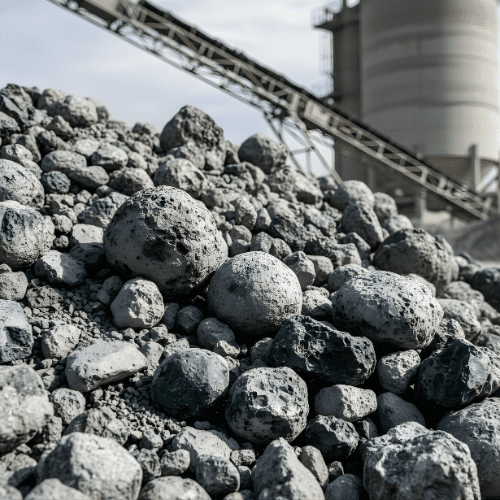
Key Factors to Consider When Choosing Clinker Suppliers
Product Quality and Standards Compliance
Consistent quality is the foundation of reliable clinker suppliers. Products should meet ASTM, EN, or equivalent standards. Buyers should request laboratory test reports, chemical composition data, and historical performance records to verify quality.
Production Capacity and Supply Reliability
Supply reliability is critical. Experienced clinker suppliers demonstrate access to adequate production capacity, buffer stock, and contingency planning. Any interruption in clinker supply can halt cement production and incur significant financial losses.
Pricing Transparency and Contract Terms
Transparent pricing ensures trust. Top clinker suppliers clearly outline costs, including energy, transportation, port charges, and regulatory fees. Well-defined contract terms help reduce long-term risk.
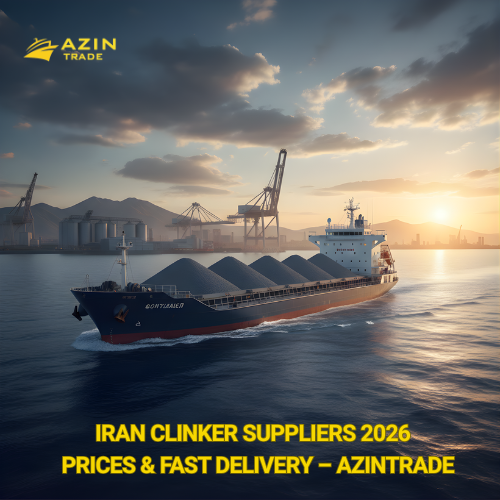
Logistics, Ports, and Bulk Shipping Capabilities
Efficient logistics differentiate top-tier clinker suppliers from average ones. Expertise with bulk vessels, port handling, storage terminals, and inland transport is essential for cross-border supply.
Sustainability and Environmental Compliance
Leading clinker suppliers invest in emissions reduction, energy efficiency, and ESG compliance. Environmentally responsible clinker suppliers may cost slightly more but reduce regulatory and long-term operational risks.
Market Experience and Reputation
A supplier’s track record indicates reliability. Buyers should evaluate client references, export history, and years of operation to ensure consistency and trustworthiness.
Global Clinker Suppliers by Region (2026 Overview)
Asia-Pacific
Vietnam, Thailand, and Indonesia dominate due to competitive production costs and strong export capacity.
Middle East
The region functions as both a producer and a trading hub, serving Asia, Africa, and Europe.
Europe
European clinker suppliers emphasize quality, sustainability, and compliance, often catering to high-standard or niche markets.
Africa
African markets rely heavily on imported clinker, making regional clinker suppliers and traders essential.
Risks When Working With Clinker Suppliers and How to Mitigate Them
Common risks include inconsistent quality, delivery delays, price volatility, and regulatory challenges. Mitigation strategies:
-
Conduct thorough due diligence
-
Establish clear contracts
-
Diversify sourcing across multiple clinker suppliers
-
Build long-term relationships with reputable clinker suppliers
Clinker Market Trends and Outlook for 2026
The global clinker market continues to evolve. Sustainability regulations push innovation in low-carbon production, while digital tools enhance supply chain visibility. Geopolitical factors still influence trade flows and pricing. Clinker suppliers investing in transparency, logistics efficiency, and environmental performance are best positioned for long-term success.

Conclusion
In 2026, clinker suppliers are strategic partners rather than simple material providers. Selecting the right clinker supplier requires evaluating:
-
Product quality
-
Supply reliability
-
Logistics capability
-
Pricing transparency
-
Sustainability compliance
-
Market reputation
A structured, long-term approach reduces risk, improves operational efficiency, and strengthens global supply chains.
(FAQ)
What is the technical difference between clinker suppliers and clinker manufacturers?
Clinker manufacturers operate kilns and handle raw material processing, while clinker suppliers manage sourcing, logistics, export, and commercial distribution.
Which quality parameters should buyers check when sourcing from clinker suppliers?
Evaluate chemical composition (CaO, SiO₂, Al₂O₃, Fe₂O₃), mineral phases (C3S, C2S), free lime content, LOI, and grindability. Certified laboratory test reports ensure consistency.
How do clinker suppliers ensure supply reliability for large cement plants?
Professional clinker suppliers maintain buffer stock, diversify sourcing across manufacturers, and use multiple shipping routes to minimize disruptions.
Are environmentally compliant clinker suppliers more expensive?
They may have slightly higher costs but reduce regulatory, compliance, and operational risks in the long term.
What logistics capabilities should international clinker suppliers have?
Suppliers should handle bulk vessels, port operations, storage terminals, inland transport, and provide real-time shipping updates.
How can buyers evaluate the credibility of clinker suppliers?
Check certifications, export history, customer references, supply consistency, and technical support capabilities