
Exporting Ceramic Tiles from Iran to Afghanistan: A Complete B2B Guide
Introduction
Exporting ceramic tiles from Iran to Afghanistan looks simple from a distance. Two neighboring countries, land access, and a constant need for construction materials on the Afghan side make it a natural corridor. However, the reality of exporting ceramic tiles from Iran requires navigating a high-risk, price-sensitive, and politically unstable destination. This guide explains how to operate around broken systems and turn proximity into profit.
1. Why Afghanistan Matters for Exporting Ceramic Tiles from Iran
Afghanistan is the most accessible destination for Iranian factories. The game here is simpler than in European markets; buyers care about availability, price, and trusted commercial relationships. This creates a massive opening for those exporting ceramic tiles from Iran who can manage regional cross-border commerce effectively.
1.1 Geographic Advantage in Exporting Ceramic Tiles from Iran
Geography gives Iran a natural logistical edge. Since tiles are heavy and fragile, shipping them over long distances raises costs and breakage risk. When exporting ceramic tiles from Iran, the proximity to Afghan urban centers like Herat and Kabul reduces landed costs significantly compared to Chinese or Indian suppliers.
1.2 Continuous Construction Demand
Despite political shifts, Afghanistan’s housing market continues to grow. Urbanization and reconstruction needs keep the demand for floor and wall tiles steady. For those exporting ceramic tiles from Iran, this means a recurring market for both low-cost mass housing and mid-range commercial projects.
2. Market Overview: Exporting Ceramic Tiles from Iran to Afghan Buyers
Understanding the Afghan market requires stripping away export fantasies. It is a fragmented environment shaped by local relationships and informal transaction costs. Anyone exporting ceramic tiles from Iran must understand that price is the ultimate gatekeeper in this market.
2.1 Market Structure and Distribution
The supply chain for exporting ceramic tiles from Iran usually involves a manufacturer, a border-side transport agent, and an Afghan wholesaler. Margins are distributed across multiple layers, so exporters must ensure their ex-factory price remains competitive after adding logistics and local distribution fees.
3. Product Categories for Exporting Ceramic Tiles from Iran
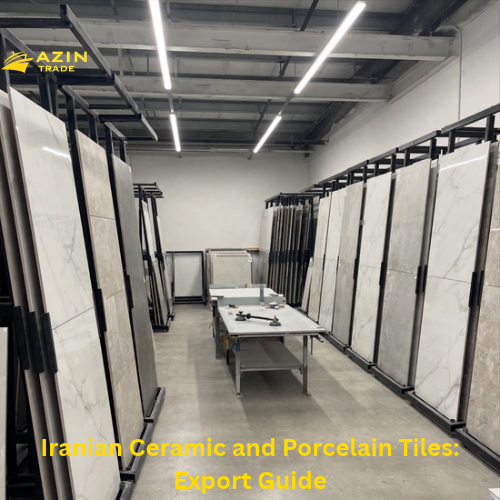
Not every product fits the Afghan market. Successful traders segment their offerings to match local purchasing power. If you are exporting ceramic tiles from Iran, focus on these four main categories:
- Economy Floor Tiles: The backbone of the market for mass housing.
- Wall Tiles for Residential Use: High demand for kitchens and bathrooms in urban centers.
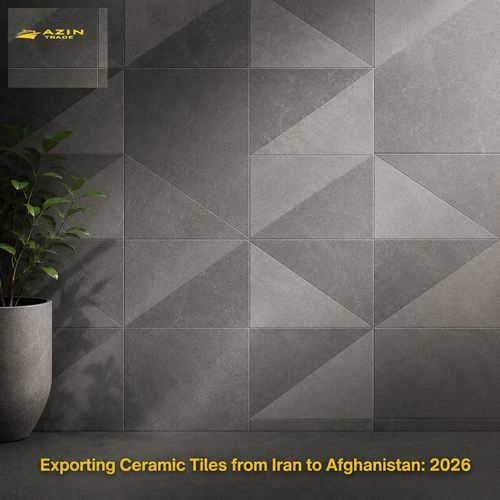
- Mid-Range Decorative Tiles: A growing niche in Kabul and Mazar-i-Sharif.
- Project-Based Porcelain: Targeted at commercial buildings and hotels.
4. Competitive Landscape: Exporting Ceramic Tiles from Iran vs. China
Iran does not operate in a vacuum. While exporting ceramic tiles from Iran offers a freight advantage, China remains a powerful competitor. Chinese traders dominate in variety and aggressive pricing. To win, Iranian exporters must leverage their shorter replenishment cycles and cultural familiarity to build longer-lasting dealer networks.
Table 1: Competitive Comparison of Major Suppliers
| Supplier Country | Price Competitiveness | Delivery Speed | Market Familiarity |
|---|---|---|---|
| Iran | High | Very High | Very High |
| China | Very High | Medium | Medium |
| Pakistan | Medium | High | High |
5. Pricing Strategy for Exporting Ceramic Tiles from Iran
Pricing in Afghanistan is a brutal calculation of “landed value.” When exporting ceramic tiles from Iran, you must account for factory costs, domestic transport, border delays, and Afghan customs. A common mistake is panic discounting; instead, exporters should focus on system efficiency to keep the final price low without sacrificing quality.
Table 2: Export Cost Components
| Cost Component | Description | Impact on Price |
|---|---|---|
| Ex-factory price | Base manufacturing cost | High |
| Border waiting time | Delay-related transport cost | Medium to High |
| Afghan-side transport | Border to city distribution | High |
| Breakage provision | Allowance for damaged goods | Medium |
6. Payment Risks and Logistics in Exporting Ceramic Tiles from Iran
The biggest hurdle in exporting ceramic tiles from Iran is the lack of a formal banking system.
- Payment: Transactions usually happen via Hawala (money changers) or Rial payments within Iran. Never move cargo past the border without a significant deposit.
- Logistics: The main routes through Dogharoon, Mahiroud, and Milak are the lifelines of the trade. Proper palletization is mandatory due to poor road conditions in Afghanistan.
7. B2B Strategy for Exporting Ceramic Tiles from Iran in 2026
To succeed long-term, stop treating Afghanistan as a dumping ground for surplus stock.
- Physical Samples: Send physical catalogs and samples to wholesalers in Kabul and Herat.
- Local Partnerships: Find a reliable “commission-kar” (clearance agent) to handle the bureaucracy.
- Consistency: Provide a steady supply of the same designs so contractors can rely on your brand.
8.Start Working with azintrade Today
If you are tired of unreliable suppliers, inconsistent quality, and unexpected delivery problems, it’s time to upgrade.
Start your next shipment with azintrade —
the supplier that values your business, your deadlines, and your success.
Contact azintrade now and build a strong, stable, and profitable supply chain for ceramic and porcelain tiles in Azerbaijan.
✅ For expert consultation and product orders, click here.
Related posts