
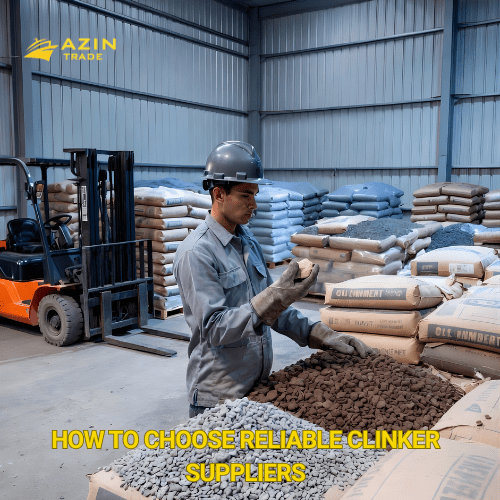
How to Choose Reliable Clinker Suppliers
Choosing clinker suppliers is a critical decision that directly impacts cement quality, production stability, and operational costs. In competitive global markets, selecting the wrong supplier can lead to inconsistent quality, shipment delays, and long-term financial losses.
Understanding how to choose clinker suppliers correctly helps buyers minimize risk and build sustainable supply partnerships.
Key Criteria for Selecting Clinker Suppliers
Reliable clinker suppliers are identified by consistent production capacity, quality control systems, and export experience. Stable kiln operations and controlled raw material sourcing ensure uniform clinker quality over time.
Working with experienced clinker suppliers reduces operational uncertainty and supports long-term production planning.
Quality Standards and Technical Compliance
Clinker quality must comply with recognized international standards such as ASTM or EN. Chemical composition, free lime content, and mineral phase distribution play a major role in cement performance.
Reliable suppliers provide transparent laboratory test results and allow third-party inspections. This level of openness indicates technical competence and commitment to quality consistency.
Pricing Structure and Commercial Transparency
Price should never be the sole factor when choosing clinker suppliers. Extremely low prices often indicate compromises in quality, logistics, or contractual reliability.
Professional suppliers present clear pricing terms, including FOB or CIF conditions, defined payment methods, and realistic delivery schedules. Long-term cooperation with reliable clinker suppliers often results in more stable pricing and supply security.
Logistics Capability and Delivery Reliability
Export infrastructure and logistical efficiency separate average suppliers from reliable ones. Port access, loading speed, and shipping coordination directly influence delivery timelines.
Suppliers with proven export records and efficient logistics operations minimize shipment delays and ensure uninterrupted cement production.
Risk Reduction When Working With New Suppliers
Engaging new clinker suppliers without proper evaluation increases commercial and technical risks. Requesting samples, conducting trial shipments, and using independent inspection services significantly reduce uncertainty.
Clear contracts covering quality parameters, penalties, and delivery obligations establish professional cooperation and protect both parties.

Conclusion
Knowing how to choose clinker suppliers requires evaluating quality standards, pricing transparency, logistics capability, and supplier credibility. Strategic supplier selection leads to consistent clinker quality, stable operations, and long-term commercial success in the cement industry.