

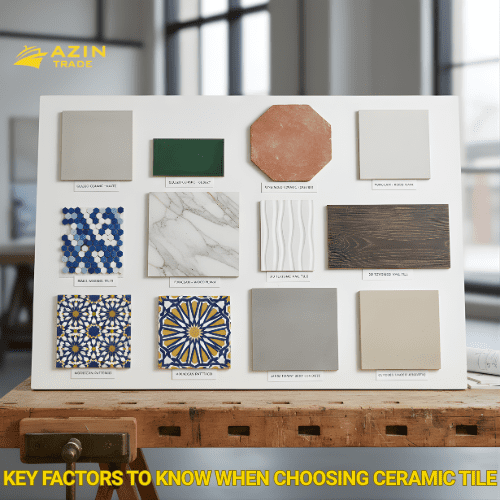
Key Factors to Know When Choosing Ceramic Tile
Choosing ceramic tile is one of the most important decisions in interior and architectural design. This choice affects not only the visual identity of a space, but also its durability, safety, maintenance requirements, and long-term value. Ceramic tile is widely used in residential, commercial, and public environments, and its performance expectations vary significantly depending on where and how it is applied.
In today’s market, choosing ceramic tile has become increasingly complex due to the wide range of materials, finishes, sizes, technologies, and price points available. A well-informed selection process helps prevent costly mistakes, ensures long-term performance, and creates spaces that remain functional and visually appealing over time.
This pillar guide explores the key technical, functional, and aesthetic factors involved in choosing ceramic tile, providing a comprehensive framework for architects, designers, contractors, and homeowners.
Understanding Ceramic Tile and Its Characteristics
Ceramic tile is manufactured from natural clay materials that are shaped, glazed or unglazed, and fired at high temperatures. This process creates a hard, durable surface suitable for a wide range of applications. However, not all ceramic tiles are created equal.
When choosing ceramic tile, it is essential to understand that variations in raw materials, firing temperatures, surface treatments, and manufacturing standards significantly influence tile performance. These differences affect strength, water absorption, resistance to wear, and overall suitability for specific environments.
A clear understanding of ceramic tile fundamentals provides the foundation for making informed decisions throughout the selection process.
Identifying the Installation Area and Usage Conditions
The first practical step in choosing ceramic tile is clearly defining the installation location and expected usage conditions. Wall tiles and floor tiles serve very different purposes, and selecting the wrong type can result in premature failure or safety issues.
High-traffic areas such as hallways, shopping spaces, offices, and public buildings require ceramic tiles with higher mechanical strength and wear resistance. In contrast, wall tiles typically prioritize visual appeal and may not be engineered to withstand heavy loads or abrasion.
Environmental exposure also plays a critical role. Areas subject to moisture, temperature variations, or frequent cleaning require tiles specifically designed to perform under those conditions. Matching tile properties to real-world usage is essential for long-term durability and safety.
Durability and Wear Resistance Performance
Durability is a central concern when choosing ceramic tile, particularly for floor applications. Wear resistance determines how well a tile surface maintains its appearance under foot traffic and mechanical stress.
Ceramic tiles are tested and classified according to standardized abrasion resistance ratings. Tiles with higher ratings are suitable for commercial and high-traffic environments, while lower-rated tiles may be appropriate for residential walls or low-use areas.
Selecting ceramic tiles with appropriate durability ensures resistance to scratching, fading, and surface degradation, preserving both aesthetics and functionality over time.
Water Absorption and Moisture Sensitivity
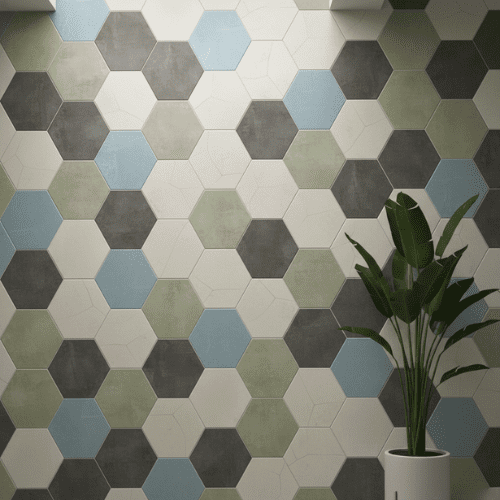
Water absorption is a critical technical factor when choosing ceramic tile, especially in wet or humid environments. Tiles with higher water absorption rates are more vulnerable to staining, cracking, and moisture-related damage.
Bathrooms, kitchens, laundry rooms, and areas near exterior entrances require ceramic tiles with low water absorption. Moisture-resistant tiles maintain their structural stability and visual appearance even with repeated exposure to water and humidity.
Ignoring water absorption characteristics during tile selection can lead to long-term performance problems that are difficult and costly to correct.
Slip Resistance and Safety Requirements
Safety considerations are often underestimated when choosing ceramic tile. Slip resistance is especially important in wet areas, public spaces, and high-traffic environments where accidents can have serious consequences.
Slip-resistant ceramic tiles feature textured surfaces or specialized finishes designed to improve traction. In commercial and institutional projects, selecting tiles that meet safety standards is essential for regulatory compliance and risk reduction.
Balancing safety requirements with aesthetic goals is a critical aspect of responsible tile selection.
Tile Size, Thickness, and Format Selection
Ceramic tiles are available in a wide variety of sizes, thicknesses, and formats, offering flexibility in both design and performance. Large-format tiles create clean, modern surfaces with fewer grout lines, while smaller tiles allow for intricate patterns and greater design variation.
When choosing ceramic tile, size selection should take into account room dimensions, visual proportions, installation complexity, and substrate conditions. Larger tiles often require more precise installation techniques and flatter surfaces to prevent lippage or cracking.
Tile thickness also affects durability and load-bearing capacity, particularly in floor applications.
Surface Finish and Aesthetic Impact
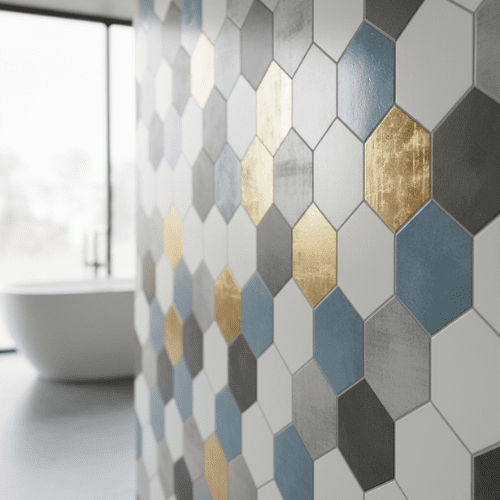
The surface finish of ceramic tile significantly influences both appearance and functionality. Glossy finishes enhance light reflection and create a polished look, but they may show wear, water marks, or scratches more easily. Matte finishes provide a more subdued appearance and often offer improved slip resistance.
Choosing ceramic tile involves balancing design preferences with practical considerations such as lighting conditions, maintenance effort, and usage intensity. Texture, color variation, and pattern all contribute to the overall character of a space.
Aesthetic decisions should prioritize long-term satisfaction rather than short-lived design trends.
Maintenance Requirements and Long-Term Care
Maintenance is an important consideration when choosing ceramic tile for long-term use. Although ceramic tile is generally low-maintenance, surface finish, grout selection, and installation quality all influence how easily a tiled surface can be cleaned and preserved.
Tiles with stain-resistant surfaces and properly sealed grout lines reduce cleaning effort and help maintain appearance over time. Considering maintenance requirements early in the selection process helps prevent unexpected costs and operational challenges.
In commercial environments, ease of maintenance can significantly impact overall efficiency.
Installation Quality and System Compatibility
Even the highest-quality ceramic tile can fail if installation is inadequate. Substrate preparation, adhesive selection, expansion joints, and proper installation techniques all play a vital role in tile performance.
When choosing ceramic tile, it is essential to ensure compatibility with the installation system and to follow manufacturer recommendations. Professional installation minimizes risks such as cracking, debonding, uneven surfaces, and moisture infiltration.
Installation quality is as important as tile quality itself.
Sustainability and Environmental Considerations
Sustainability is an increasingly important factor when choosing ceramic tile. Many manufacturers now incorporate recycled materials, energy-efficient production methods, and environmentally responsible manufacturing processes.
Ceramic tile’s long lifespan contributes to sustainability by reducing replacement frequency and material waste. Selecting tiles produced under responsible environmental standards supports green building certifications and long-term environmental goals.
Sustainable choices also enhance project value in markets with strong ESG expectations.
Budget Planning and Value-Based Decision Making
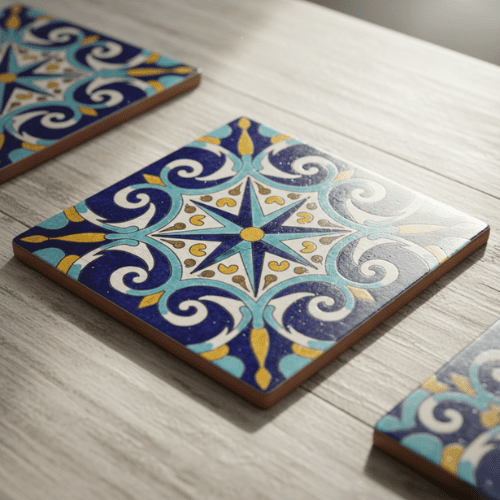
Budget planning should focus on long-term value rather than initial cost alone. Choosing ceramic tile with higher durability, better performance, and lower maintenance requirements often results in reduced lifecycle costs.
Balancing budget constraints with technical performance and design objectives ensures that tile selections deliver lasting value. A well-chosen ceramic tile investment can perform reliably for decades.
Conclusion
Choosing ceramic tile is a complex decision that requires careful evaluation of technical performance, safety, aesthetics, installation quality, and long-term value. By considering factors such as durability, water resistance, slip safety, size, finish, maintenance, sustainability, and budget, buyers can make informed decisions that meet both functional and design requirements.
A structured and thoughtful approach to choosing ceramic tile reduces risk, improves project outcomes, and ensures surfaces that perform and endure over time.
(FAQ)
What is the most important factor when choosing ceramic tile?
Matching tile performance to its intended application, including durability, moisture resistance, and safety.
Is ceramic tile suitable for commercial spaces?
Yes. Ceramic tile is suitable for commercial environments when selected with appropriate wear resistance and slip safety ratings.
How do I choose ceramic tile for wet areas?
Select tiles with low water absorption and adequate slip resistance.
Are large-format ceramic tiles practical?
They offer a modern appearance but require precise installation and proper substrate preparation.
Is ceramic tile a sustainable material?
Ceramic tile is durable and long-lasting, and many options are produced using environmentally responsible methods.