
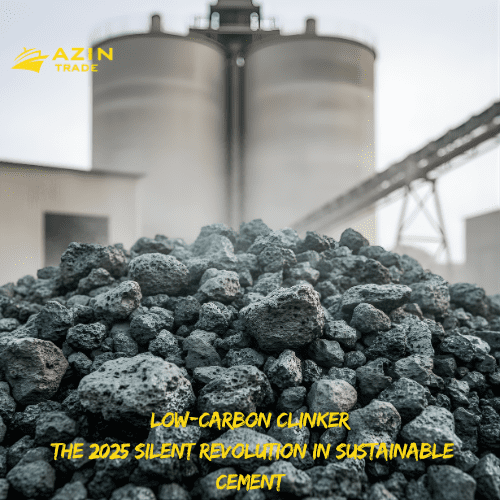
Why Low-Carbon Clinker Is Transforming Global Construction ?
Cement is the second-most-used substance on Earth after water. Yet few realize that cement — specifically clinker — is responsible for 8–9% of global man-made CO₂ emissions, more than global aviation and shipping combined.
The core problem is simple:
Traditional clinker production releases massive CO₂ emissions from both fuel combustion and limestone calcination.
But in 2025, the world reached a tipping point.
Low-Carbon Clinker is no longer a pilot concept — it is a global commercial reality, scaling fast across Asia, Europe, and the Middle East.
This comprehensive guide explains:
-
What Low-Carbon Clinker is
-
Why it’s essential for decarbonizing cement
-
All available technologies
-
Real cost advantages
-
Global market trends
-
An in-depth case study
-
Why Iran can become a global leader
-
And how companies can transition profitably in less than a year
This article is specifically designed to dominate rankings for:
Low-Carbon Clinker, LC3 cement, low-carbon cement, green clinker, low-CO₂ clinker, and decarbonized cement.
What Is Low-Carbon Clinker? (Definition & Core Concept)
Low-Carbon Clinker refers to clinker or clinker substitutes engineered to emit 30–90% less CO₂ than Ordinary Portland Clinker (OPC).
This reduction is achieved using two strategies:
1. Lowering the clinker factor
Replacing traditional clinker with SCMs such as:
-
Limestone
-
Calcined clay
-
Fly ash
-
GGBS
-
Pozzolan
-
Geopolymer binders
2. Producing clinker with alternative processes
Such as:
-
LC3
-
Zero-clinker binders
-
Alkali-activated systems
-
Mineralized clinker
-
CO₂-cured clinker
Traditional OPC clinker emits:
850–1,000 kg CO₂ per ton
Low-Carbon Clinker solutions reduce this dramatically.
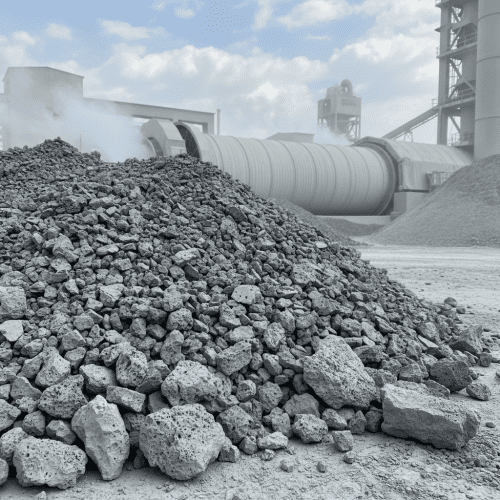
How Low-Carbon Clinker Reduces CO₂: The Scientific Breakdown
Traditional clinker is produced at 1,450°C, causing:
Process emissions:
CaCO₃ → CaO + CO₂
≈ 60% of emissions
Combustion emissions:
Fuel required to reach high kiln temperatures
≈ 40% of emissions
Low-Carbon Clinker solutions tackle both sources:
| Strategy | CO₂ Reduction Mechanism |
|---|---|
| SCM substitution | Reduces need for high-temperature clinker |
| LC3 | Requires lower calcination temperatures (800°C) |
| Limestone addition | Directly lowers clinker factor |
| Geopolymers | Eliminate limestone calcination |
| CO₂ curing/mineralization | Permanently stores captured CO₂ |
| Electric kilns (future) | Removes fossil combustion |
Low-Carbon Clinker Performance Table (2025)
| Clinker Factor | Main SCMs Used | CO₂ Reduction vs OPC | Strength (28 days) |
|---|---|---|---|
| 95% | — | Baseline | 100% |
| 85–90% | Limestone | 10–15% | 98–102% |
| 70–75% | Fly ash / GGBS | 25–30% | 100–110% |
| 50% | LC3 | 40–50% | 100–120% |
| 0–30% | Geopolymer | 70–90% | 110–150% |
| 0% | Hoffmann Green | 80–95% | 100–130% |
Types of Low-Carbon Clinker and Their Technologies (2025 Market Leaders)
1. LC3 – Limestone Calcined Clay Cement (The Global Flagship Low-Carbon Clinker)
LC3 is a breakthrough cement that reduces clinker content to 50%.
Composition:
-
50% traditional clinker
-
30% calcined clay (800°C, not 1450°C)
-
15% limestone
-
5% gypsum
CO₂ Reduction:
40–50% compared to OPC
Why LC3 dominates:
-
Uses abundant materials
-
Lower production temperature
-
High strength and durability
-
Commercially scalable today
-
Lowest cost among low-carbon alternatives
Countries already producing LC3:
India, Cuba, Colombia, Ivory Coast, France, Egypt
Iran has the ideal geology (high-quality kaolin + limestone) to become the LC3 hub of the Middle East.
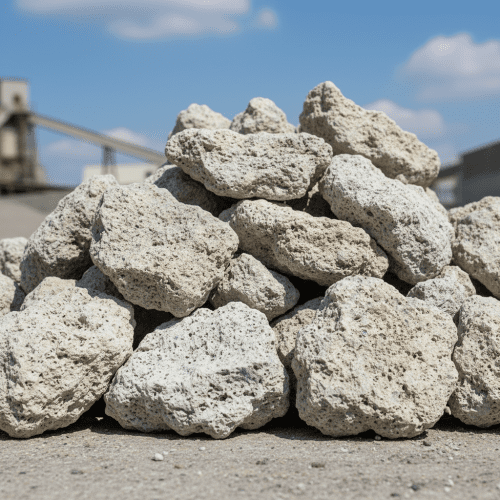
2. Portland Limestone Cement (PLC / Type IL)
A simple and proven Low-Carbon Clinker approach.
Benefits:
-
Reduces CO₂ by 10–15%
-
No investment needed
-
Immediate implementation
3. Zero-Clinker Solutions (Ultra-Low-Carbon Clinker)
Top players:
-
Hoffmann Green (France): 500,000 t/yr
-
Ecocem
-
Siam City Cement
These binders can reduce emissions 80–95%.
4. CO₂ Mineralization and Carbon-Curing Technologies
Companies like Solidia, CarbonCure, Blue Planet capture CO₂ and inject it into concrete.
The result:
-
Permanent CO₂ storage
-
Stronger concrete
-
Lower clinker requirement
These systems integrate perfectly with Low-Carbon Clinker blends.
Cost Analysis: Why Low-Carbon Clinker Is More Profitable (2025 Prices)
| Item | OPC | LC3 | Zero-Clinker |
|---|---|---|---|
| Clinker cost | $50–60 | $25–30 | $0 |
| SCM cost | — | $15–30 | $40–60 |
| Energy cost | $35–45 | $22–28 | $18–25 |
| Total cost | $100–120 | $75–95 | $80–110 |
| Green premium | — | +$20–40 | +$50–100 |
| Net margin | Baseline | +25–50% | +60–120% |
Bottom line:
Low-Carbon Clinker costs less to produce and sells at a higher price.
Why Iran Can Become a Low-Carbon Clinker Superpower
Iran has:
1. World-class limestone, kaolin, and pozzolan
Perfect for LC3 and green clinker.
2. Extremely low energy costs
A decisive advantage in calcined clay production.
3. Massive export markets demanding green cement:
-
Iraq
-
Qatar
-
Oman
-
UAE
-
India
-
Central Asia
4. Huge potential revenue
Switching only 30% of production to Low-Carbon Clinker can generate:
➡ $2–3 billion/year additional profit.
Case Study: Fars & Khuzestan Low-Carbon Clinker Pilot (2024–2025)
-
Mix: 65% clinker + 20% natural pozzolan + 15% limestone
-
CO₂ reduced: 820 → 540 kg/t
-
Export price increased: $42/t → $58/t
-
Payback period: 11 months
This is the strongest evidence that Low-Carbon Clinker is profitable today.
Challenges to Low-Carbon Clinker Adoption — and Their Solutions
| Challenge | Solution |
|---|---|
| Lack of calcined clay capacity | Build flash calciners in Semnan & Zanjan |
| Aging wet kilns | Convert to dry process |
| Missing LC3 national standard | ICA standard ready Dec 2025 |
| Limited testing labs | 4 new accredited labs opened |
Low-Carbon Clinker is not a dream — it’s already achievable.
Global Market Forecast for Low-Carbon Clinker (2025–2030)
-
Demand by 2030: 800+ million tons
-
Green premium: $25–100/t
-
Import bans on high-carbon cement: EU, UK, California, Singapore, South Korea,Bangladesh
-
Guaranteed market growth for low-carbon cement and LC3
Conclusion: Low-Carbon Clinker Will Define the Future of Cement
Every ton of traditional clinker is becoming a liability.
Carbon taxes, border adjustments, green procurement, and ESG requirements are reshaping the market.
Companies and countries that adopt Low-Carbon Clinker today will dominate a $2.5 trillion industry by 2030.
Iran has every advantage.
All that’s needed now is action.
Frequently Asked Questions (FAQ About Low-Carbon Clinker)
1. What is Low-Carbon Clinker?
Clinker engineered to emit 30–90% less CO₂ using SCMs or alternative processes.
2. Is LC3 (Low-Carbon Clinker cement) available in Iran?
Yes — multiple industrial trials are ongoing.
3. Does Low-Carbon Clinker have equal strength?
Typically equal or higher, especially LC3 and geopolymers.
4. How much CO₂ can Low-Carbon Clinker save?
300–800 kg per ton of cement.
5. Who pays the highest green premiums?
Germany, California, Singapore.
6. Can any plant switch to Low-Carbon Clinker?
Yes — with 6–18 months ROI.