

Tile vs Ceramic: Complete Guide to Materials, Manufacturing Process and Applications
Introduction to Tiles in Modern Construction
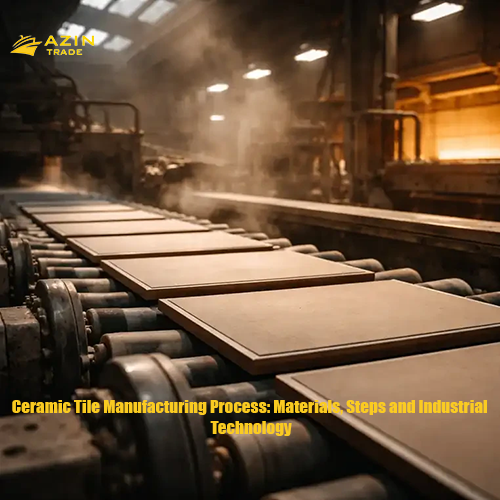
Ceramic tile manufacturing process is a critical part of the modern construction materials industry. The ceramic tile manufacturing process involves several industrial stages including raw material preparation, spray drying, pressing, glazing, and high‑temperature firing. Understanding the ceramic tile manufacturing process helps engineers, architects, and manufacturers improve product quality, durability, and design flexibility in construction projects.
What Is Ceramic Tile
Ceramic tile is a manufactured building material made mainly from natural clay and mineral components. During production, the raw materials are ground into fine powder, shaped into tiles, and fired in kilns at temperatures above 1000°C.
This firing process causes mineral particles to fuse together in a process called vitrification. As a result, ceramic tiles become hard, durable, and resistant to water and chemicals.
Because of these properties, ceramic tiles are widely used for interior and exterior surfaces.
Raw Materials Used in Ceramic Tile Production
The performance and durability of ceramic tiles depend strongly on the raw materials used in manufacturing.
Clay
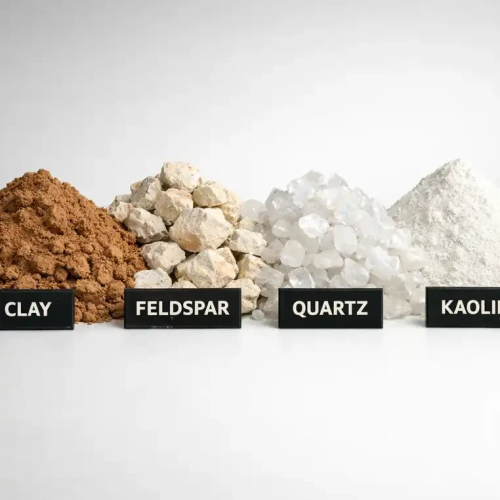
Clay is the main ingredient in ceramic tile production. It provides plasticity when mixed with water, allowing tiles to be shaped easily during forming.
Feldspar
Feldspar acts as a fluxing material that lowers the melting temperature during firing. It helps create a dense ceramic structure.
Quartz (Silica)
Quartz improves hardness and dimensional stability in ceramic tiles.
Kaolin
Kaolin is a refined clay that improves whiteness and enhances surface quality.
Additional Materials
Other materials used in tile production may include limestone, dolomite, and mineral pigments for color control.
Ceramic Tile Manufacturing Process
The manufacturing process of ceramic tiles involves several controlled industrial steps.
Raw Material Preparation
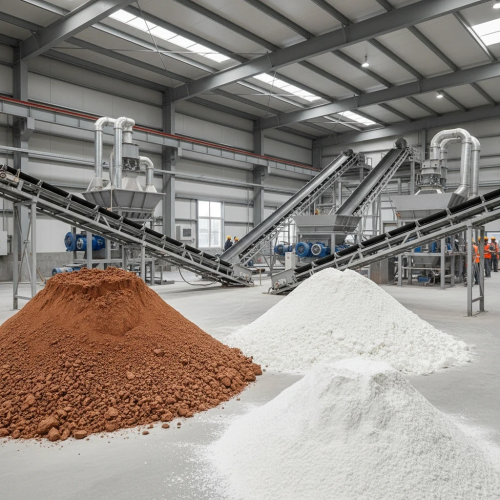
Natural minerals are extracted from quarries and transported to factories. They are crushed and milled into fine powder.
Spray Drying
The powdered materials are mixed with water to form slurry. This slurry is processed in spray dryers to produce granulated powder.
Pressing
Granulated powder is pressed into tile shapes using hydraulic presses under high pressure.
Drying
The pressed tiles are dried to remove moisture before firing.
Glazing
A glaze coating containing minerals and pigments is applied to the surface of the tiles to provide color and protection.
Firing
Tiles are fired in roller kilns at temperatures between 1000°C and 1300°C. This stage creates the final ceramic structure.
Quality Inspection
After firing, tiles are inspected and sorted according to size, color, and quality standards.
Types of Ceramic Tiles
Ceramic tiles can be classified into several categories depending on their composition and surface treatment.
Glazed Ceramic Tiles
These tiles have a decorative glazed surface that protects the tile and provides color and patterns.
Unglazed Ceramic Tiles
Unglazed tiles have natural surfaces and are commonly used where slip resistance is required.
Porcelain Tiles
Porcelain tiles are a dense type of ceramic tile with very low water absorption and high strength.
Quarry Tiles
Quarry tiles are thick and durable tiles commonly used in commercial kitchens and industrial spaces.
Terracotta Tiles
Terracotta tiles are traditional clay tiles known for their reddish color and rustic appearance.
Ceramic Tile vs Porcelain Tile
Although porcelain tiles belong to the ceramic family, they have different physical properties.
| Feature | Ceramic Tile | Porcelain Tile |
|---|---|---|
| Density | Medium | Very high |
| Water Absorption | 3–10% | Less than 0.5% |
| Strength | Moderate | Very high |
| Frost Resistance | Limited | Excellent |
| Price | Lower | Higher |
| Cutting | Easier | Harder |
Porcelain tiles are generally stronger and more resistant to moisture compared to standard ceramic tiles.
Technical Properties of Ceramic Tiles
Several engineering properties determine the quality and performance of ceramic tiles.
Water Absorption
Water absorption indicates how porous a tile is. Lower absorption means better moisture resistance.
Flexural Strength
Flexural strength measures how much bending force a tile can withstand.
Abrasion Resistance
Abrasion resistance determines how well a tile can resist wear from foot traffic.
Slip Resistance
Slip resistance is important for safety, especially in wet areas such as bathrooms and swimming pools.
Frost Resistance
Tiles used outdoors must withstand freeze–thaw cycles.
PEI Rating for Tile Wear Resistance
The PEI classification system measures surface durability and wear resistance.
| PEI Rating | Recommended Use |
|---|---|
| PEI I | Wall tiles |
| PEI II | Light residential floors |
| PEI III | Normal residential floors |
| PEI IV | Commercial areas |
| PEI V | Heavy traffic locations |
Advantages of Ceramic Tiles
Ceramic tiles offer many benefits that make them popular in construction projects.
• Long lifespan
• Resistance to water and stains
• Easy maintenance
• Wide variety of designs
• Fire resistance
• Chemical resistance
Because of these advantages, ceramic tiles are widely used in homes and commercial buildings.
Disadvantages of Ceramic Tiles
Despite their benefits, ceramic tiles also have some limitations.
• Hard surface may feel cold
• Installation requires professional skills
• Grout lines require cleaning
• Low‑quality tiles may crack under heavy loads
Proper installation and quality materials can minimize these issues.
Applications of Ceramic Tiles
Ceramic tiles are used in many areas of modern buildings.
Residential Buildings
Common applications in homes include kitchens, bathrooms, living rooms, and balconies.
Commercial Buildings
In commercial spaces, tiles are used in shopping centers, hotels, hospitals, and restaurants.
Industrial Buildings
Industrial facilities often use specialized ceramic tiles due to their chemical and abrasion resistance.
Modern Technologies in Tile Manufacturing
Technological advancements have significantly improved tile production.
Digital Inkjet Printing
This technology allows manufacturers to produce tiles that imitate marble, wood, and natural stone.
Rectified Tiles
Rectified tiles are precisely cut after firing to create very narrow grout joints.
Large Format Tiles
Large porcelain slabs are increasingly used for modern architectural designs.
Nano‑Polishing
Nano polishing improves surface gloss and stain resistance.
Environmental Sustainability of Ceramic Tiles
Modern tile manufacturing focuses on reducing environmental impact.
Manufacturers use energy‑efficient kilns, recycle ceramic waste, and reuse water in production processes.
Because ceramic tiles can last for decades, they contribute to sustainable construction practices.
Installation Tips for Ceramic Tiles
Proper installation is essential for long‑term performance.
Tiles should be installed on a stable and level surface using appropriate adhesives. Expansion joints should also be included to accommodate temperature changes.
Professional installation ensures durability and prevents cracking.
Maintenance and Cleaning
Ceramic tiles are easy to maintain compared to many other flooring materials.
Routine maintenance usually involves sweeping, mopping with mild detergent, and occasional grout cleaning.
Unlike natural stone, ceramic tiles generally do not require sealing.
Frequently Asked Questions
Are ceramic tiles waterproof
Ceramic tiles are water resistant, but grout lines may allow water penetration if not properly sealed.
Which tiles are best for outdoor use
Porcelain tiles are typically recommended for outdoor applications because they have very low water absorption.
How long do ceramic tiles last
High‑quality ceramic tiles can last more than 50 years with proper installation and maintenance.
Conclusion
Ceramic tiles are one of the most versatile and durable materials used in modern construction. Their strength, aesthetic flexibility, and resistance to moisture make them ideal for residential, commercial, and industrial applications.
With continuous improvements in manufacturing technologies, ceramic tiles will continue to play an important role in modern architecture and sustainable building design.