

Tile and Ceramic: The Complete Expert Guide to Ceramic Tiles
Ceramic tiles are one of the most important materials used in modern architecture and interior design. Their durability, aesthetic flexibility, and cost efficiency make them one of the most widely used building materials in residential, commercial, and industrial projects.
From kitchens and bathrooms to large commercial spaces, ceramic tiles provide a durable and visually appealing surface that can last for decades. Advances in tile manufacturing technologies now allow ceramic tiles to replicate natural materials such as marble, wood, stone, and concrete with remarkable realism.
This comprehensive guide explores everything you need to know about tile and ceramic, including manufacturing processes, types of ceramic tiles, differences with porcelain, advantages, disadvantages, applications, and expert selection tips.
What Are Ceramic Tiles
Ceramic tiles are thin slabs manufactured from natural clay and mineral materials. These materials are molded into shape and fired in high-temperature kilns to create a strong and durable surface.
Typical raw materials used in ceramic tiles include:
Clay
Feldspar
Silica
Sand
Water
After shaping and firing, ceramic tiles become resistant to moisture, stains, and daily wear, making them suitable for various architectural applications.
Raw Materials Used in Ceramic Tile Production
The quality of ceramic tiles largely depends on the composition of the raw materials used during manufacturing.
| Raw Material | Role in Production |
|---|---|
| Clay | Provides flexibility and structure |
| Feldspar | Helps melting during firing |
| Silica | Improves hardness |
| Sand | Increases structural strength |
| Water | Enables molding and shaping |
These materials determine important properties such as density, durability, and water absorption rate.
Ceramic Tile Manufacturing Process
Ceramic tile production involves several industrial processes designed to ensure durability and consistency.
Material Preparation
Raw materials are crushed, milled, and blended into a fine powder.
Pressing
The powder mixture is pressed into tile shapes using high-pressure hydraulic machines.
Drying
Tiles are dried to remove excess moisture before entering the kiln.
Glazing
Many ceramic tiles receive a glaze coating that adds color, texture, and protection.
Firing
Tiles are fired in kilns at temperatures between 1000°C and 1250°C, transforming the raw materials into durable ceramic products.
Types of Ceramic Tiles
Ceramic tiles are categorized based on surface finishing and manufacturing techniques.
Glazed Ceramic Tiles
Glazed ceramic tiles have a glass-like coating that protects the surface and enhances appearance.
Main features include:
Water resistance
Stain resistance
Easy cleaning
Wide variety of designs
Common applications include kitchen walls, bathroom walls, and interior flooring.
Unglazed Ceramic Tiles
Unglazed tiles do not have a protective glaze layer.
Key characteristics:
Higher slip resistance
Natural texture
Greater durability in heavy traffic areas
These tiles are commonly used in commercial spaces and outdoor environments.
Porcelain Tiles
Porcelain tiles are technically a type of ceramic tile but manufactured using finer clay and higher firing temperatures.
Key characteristics include:
Very high density
Low water absorption
Superior durability
Suitable for outdoor environments
Ceramic Tile vs Porcelain Tile Comparison
Understanding the difference between ceramic and porcelain tiles helps in selecting the right material for each application.
| Feature | Ceramic Tile | Porcelain Tile |
|---|---|---|
| Density | Medium | Very High |
| Water Absorption | 3% – 7% | Less than 0.5% |
| Durability | High | Very High |
| Weight | Lighter | Heavier |
| Price | More affordable | More expensive |
| Cutting Difficulty | Easier | Harder |
| Outdoor Use | Limited | Ideal |
In general, ceramic tiles are best suited for interior spaces, while porcelain tiles are recommended for high-traffic or outdoor environments.
Advantages of Ceramic Tiles
Ceramic tiles remain one of the most popular construction materials due to several advantages.
Durability
Ceramic tiles can last for decades when installed properly.
Water Resistance
Glazed ceramic tiles resist moisture penetration, making them ideal for wet areas.
Design Versatility
Modern ceramic tiles can replicate materials such as:
Marble
Granite
Wood
Concrete
Natural stone
Easy Maintenance
Ceramic tiles require minimal maintenance and are easy to clean with basic household products.
Hygienic Surface
The smooth surface prevents bacteria growth and allergens, making ceramic tiles ideal for hospitals and kitchens.
Cost Efficiency
Compared to natural stone or hardwood flooring, ceramic tiles are relatively affordable.
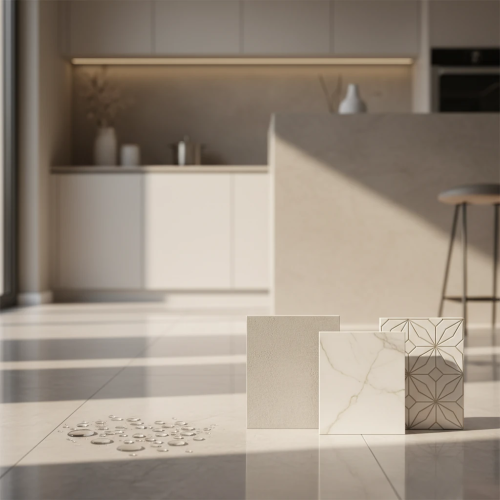
Disadvantages of Ceramic Tiles
Although ceramic tiles have many advantages, they also have some limitations.
Brittleness
Heavy impacts may cause cracks or chips.
Cold Surface
Ceramic floors can feel cold during winter unless underfloor heating is installed.
Hard Surface
Standing on ceramic floors for long periods can be uncomfortable compared to softer flooring materials.
Ceramic Tile Applications
Ceramic tiles are widely used in various architectural environments.
Residential Applications
Living rooms
Bathrooms
Kitchens
Bedrooms
Balconies
Commercial Applications
Hotels
Restaurants
Shopping malls
Office buildings
Hospitals
Outdoor Applications
Certain ceramic tiles with low water absorption can be used for patios, terraces, and walkways.
Ceramic Tile Sizes and Formats
Modern ceramic tiles come in different sizes depending on design preferences and architectural needs.
| Tile Size | Typical Use |
|---|---|
| 20×20 cm | Small areas |
| 30×30 cm | Bathrooms |
| 60×60 cm | Residential floors |
| 60×120 cm | Modern interior design |
| 120×120 cm | Luxury architecture |
Large format tiles have become increasingly popular because they reduce grout lines and create a seamless appearance.
Ceramic Tile Surface Finishes
Surface finishing significantly influences tile performance and aesthetics.
Glossy Finish
Reflective surface
Elegant appearance
Ideal for walls
Matte Finish
Non-reflective surface
Better slip resistance
Suitable for floors
Textured Finish
Rough surface
High slip resistance
Used in outdoor areas
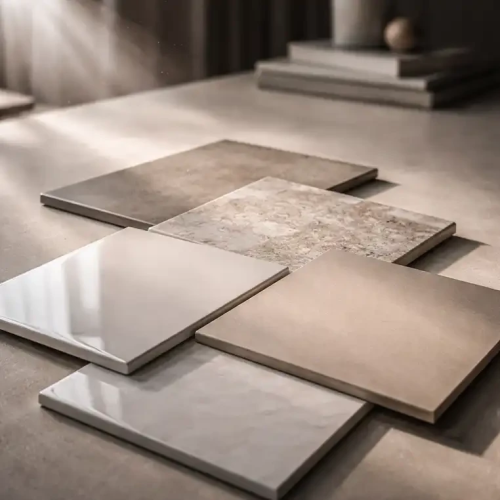
Ceramic Tiles vs Natural Stone
Ceramic tiles are often compared with natural stone materials.
| Feature | Ceramic Tile | Natural Stone |
|---|---|---|
| Price | Affordable | Expensive |
| Maintenance | Low | High |
| Water Resistance | High | Medium |
| Installation | Easier | Difficult |
| Design | Uniform | Natural variation |
Ceramic tiles offer a similar aesthetic to natural stone while being easier to maintain.
How to Choose the Right Ceramic Tile
Selecting the right ceramic tile requires considering several important factors.
Location of Installation
Floor tiles should have higher durability than wall tiles.
Slip Resistance
Important for bathrooms and outdoor spaces.
Water Absorption Rate
Lower water absorption is essential for wet environments.
Design Compatibility
Tiles should complement the architectural style of the space.
Maintenance Tips for Ceramic Tiles
Proper maintenance helps preserve the beauty and durability of ceramic tiles.
Recommended practices include:
Regular sweeping or vacuuming
Cleaning with mild detergents
Avoiding harsh acidic cleaners
Sealing grout lines periodically
Frequently Asked Questions (FAQ)
What are ceramic tiles made of
Ceramic tiles are made from natural clay, sand, feldspar, and other mineral materials fired at high temperatures.
Are ceramic tiles durable
Yes, ceramic tiles are highly durable and can last for decades when properly installed.
What is the difference between ceramic and porcelain tiles
Porcelain tiles are denser, less porous, and more durable than traditional ceramic tiles.
Can ceramic tiles be used outdoors
Some ceramic tiles can be used outdoors, but porcelain tiles are generally preferred due to lower water absorption.