
What Is Gray Cement?
Gray cement is a key material in modern construction. Builders use it for homes, commercial properties, roads, bridges, and industrial facilities. Importers and contractors should understand its types, quality standards, and packaging options before they order.
Iran produces cement and clinker for domestic and regional markets. Depending on current export rules and shipping conditions, international buyers may consider Iranian suppliers. A reliable purchase takes more than a competitive price. Buyers should check specifications, quality certificates, delivery terms, and total transport costs.
This guide covers gray cement types, manufacturing, technical standards, applications, and export requirements. It also helps international buyers compare suppliers and decide with confidence.
Definition and Composition
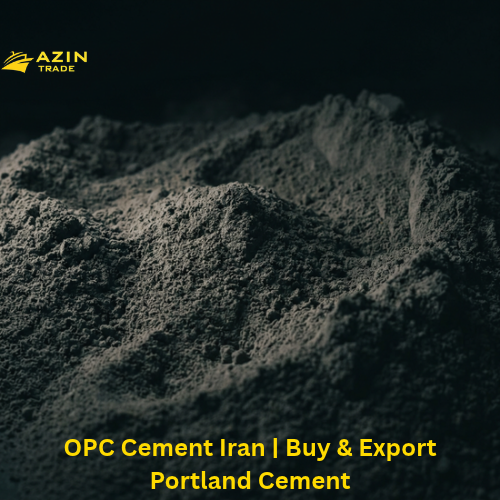
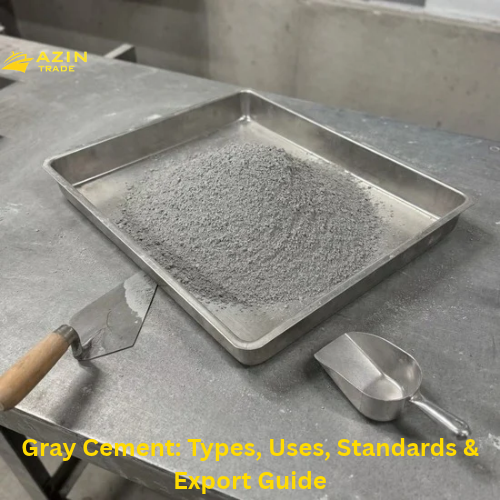
Gray cement is a hydraulic binding material. It hardens when mixed with water and keeps its strength after setting. Manufacturers usually produce it by grinding Portland cement clinker with gypsum. Where permitted, they add other constituents.
The raw materials and clinker composition give gray cement its color. Iron-containing compounds play an important role in this appearance.
How Builders Use It
Builders mix gray cement with water and aggregates to make concrete. They also combine it with sand and water to prepare mortar for masonry and other work.
Key Advantages
Gray cement offers several practical advantages:
- Strength: Properly specified and cured cement supports strong concrete structures.
- Versatility: Contractors use it in many residential, commercial, and infrastructure projects.
- Availability: Buyers can source different cement types and strength classes.
- Practicality: Conventional concrete plants and equipment can handle suitable products.
- Broad applications: Builders use it in both structural and non-structural work.
No single cement type suits every project. Buyers must consider structural loads, environmental exposure, local regulations, and engineering specifications. Only then should they select a product.
Main Types of Gray Cement
Gray cement comes in several formulations. Each type serves particular construction needs. The right choice depends on strength requirements, sulfate exposure, heat development, and the applicable standard.
1. Ordinary Portland Cement (OPC)
Ordinary Portland Cement, or OPC, is one of the most widely used cements. Contractors commonly specify it for general construction and concrete production.
Typical applications include:
- Residential and commercial buildings.
- Reinforced concrete foundations.
- Columns, beams, and floor slabs.
- Precast concrete elements.
- General infrastructure projects.
- Suitable masonry and mortar applications.
OPC products do not all have identical properties. Check the declared strength class, the applicable standard, and the test results before ordering.
2. Portland Cement Type I
Under ASTM C150/C150M, Type I serves general construction that needs no special cement properties.
Contractors may use it for foundations, slabs, columns, and beams. It can suit other uses when the project specification allows.
Confirm the required standard and performance criteria before purchase. A product name alone does not prove that it meets your needs.
3. Portland Cement Type II
Type II provides specified moderate sulfate resistance under ASTM C150/C150M. The specification may also address moderate heat of hydration.
Engineers may select it for foundations, underground structures, and drainage systems. It also suits concrete exposed to certain sulfate-bearing soils or groundwater.
The correct choice depends on the actual exposure conditions. Severe sulfate exposure may need a different cement and extra durability measures.
For an example of manufacturer product information, review Karoon Cement’s official English-language page.
4. Portland Cement Type V
Type V is associated with high sulfate resistance under ASTM C150/C150M.
Engineers may specify it for selected foundations, underground structures, and wastewater facilities. It also suits other projects with aggressive sulfate conditions.
Type V is not automatically the best choice for every demanding environment. Durability also depends on mix design, permeability, the water-to-cementitious-materials ratio, and construction quality.
Confirm the product’s certified properties and the engineer’s requirements before ordering.
5. Sulfate-Resisting Portland Cement
Sulfate-resisting cement helps protect concrete where sulfates can cause deterioration. Its classification and performance requirements depend on the applicable standard.
Some products follow ASTM requirements. Others follow EN or national standards. These classifications are not automatically equivalent.
Ask the supplier for the exact product designation and certification. Then compare the documents with the project’s exposure conditions and engineering specification.
Comparison of Common Gray Cement Types
| Cement type | Typical purpose | Main purchasing consideration |
|---|---|---|
| OPC | General construction and concrete production | Strength class and applicable standard |
| Type I | General-purpose Portland cement | Project specifications and test results |
| Type II | Moderate sulfate resistance and moderate heat characteristics | Environmental exposure and certified properties |
| Type V | High sulfate resistance | Verified sulfate-resistance requirements |
| Sulfate-resisting cement | Concrete exposed to specified sulfate conditions | Applicable standard and exposure environment |
Important: ASTM types and EN designations use different classification systems. State the exact standard and product designation in the purchase contract.
Gray Cement Manufacturing Process
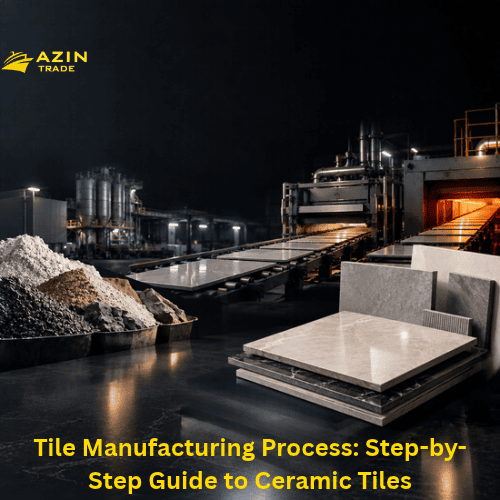
Manufacturers follow several controlled stages to produce gray cement. Each stage affects consistency and final performance.
1. Raw Material Extraction
Limestone supplies most of the calcium in conventional Portland cement. Clay, shale, and corrective materials provide silica, alumina, and iron-bearing compounds.
The chemistry of these materials influences clinker quality. Manufacturers therefore monitor raw materials throughout production.
2. Crushing and Raw Material Preparation
Production begins with crushing the extracted materials. The factory then proportions and blends them to reach the target chemical composition.
Consistent preparation keeps kiln operation stable. It also supports predictable clinker quality.
3. Raw Meal Grinding
Grinding mills reduce the prepared materials to a fine powder called raw meal. Manufacturers control its fineness and chemical composition before the kiln stage.
Proper preparation supports efficient clinker production and consistent quality.
4. Clinker Production
The raw meal enters a kiln, where high temperatures trigger chemical reactions. These reactions form clinker, the main intermediate material in Portland cement.
Raw material chemistry, kiln temperature, fuel, and process control all influence clinker quality.
5. Clinker Cooling
The factory cools the hot clinker under controlled conditions. Workers then move it to storage before the next stage.
Effective cooling helps manufacturers manage clinker quality and production efficiency.
6. Cement Grinding
Manufacturers grind clinker with gypsum to produce finished cement. Depending on the product and standard, they may add other permitted constituents.
Fineness and composition affect setting time, strength development, and other performance traits.
7. Quality Control and Packaging
Manufacturers test finished cement against the relevant specification. Depending on the standard and contract, tests may cover chemical composition, fineness, setting time, soundness, and compressive strength.
After approval, the factory prepares the cement for dispatch. Options may include 50 kg bags, jumbo bags, or bulk shipments.
Gray Cement Quality Standards and Technical Specifications
Choosing a Standards Framework
Define the technical specification before you buy. A product name cannot confirm suitability for a project.
Two widely recognized frameworks exist. ASTM C150/C150M covers Portland cement. EN 197-1 covers the common cements within its scope. Each uses its own classifications and test requirements.
Name the required standard in the inquiry and the purchase contract. This prevents misunderstandings between the supplier, importer, and project engineer.
Key Gray Cement Quality Parameters
Compressive strength: This test measures strength development under set conditions. Confirm that the declared class or type meets the requirements.
Fineness: Fineness affects hydration and strength development. Laboratories measure it with the method the standard specifies.
Setting time: This shows when cement begins to set. It also shows when cement reaches final set.
Soundness: This test checks stability and resistance to harmful expansion.
Chemical composition: Relevant parameters may include magnesium oxide, sulfur trioxide, chloride, loss on ignition, and selected clinker compounds. The product and standard decide which apply.
Moisture protection: Cement needs protection from water and humidity. Moisture can cause premature hydration and reduce quality.
Documents to Request Before Purchasing
Ask the supplier for the documents your contract and destination market require. These may include:
- A current technical data sheet.
- A mill test certificate or certificate of analysis for the relevant batch.
- The applicable cement standard and product designation.
- Required laboratory test results.
- Packaging and loading specifications.
- Inspection or conformity documents, where applicable.
You may also arrange third-party inspection. Do this when the contract or destination rules require it. Agree on the inspection scope before production or shipment.
Applications of Gray Cement
Gray cement supports a wide range of construction and industrial work. The product must meet the technical needs of its application.
Residential and Commercial Buildings
Contractors use suitable gray cement in foundations, columns, beams, floors, and slabs. Engineers set the required cement properties based on the building design.
Infrastructure Projects
Gray cement is a key ingredient in concrete for roads, bridges, culverts, retaining structures, and drainage systems. Large projects often need strict quality control and consistent supply.
Precast Concrete Manufacturing
Precast manufacturers use suitable cement in blocks, paving, pipes, and panels. The production method and required strength influence cement selection.
Masonry and Mortar
Gray cement forms part of many masonry and mortar mixes. Select a formulation that suits the application. Follow the project’s specifications.
Industrial Construction
Factories, warehouses, and logistics centers need concrete for floors, foundations, and structural frames. The right cement depends on the project design and operating environment.
Marine and Underground Structures
Some cement types suit structures exposed to sulfate-bearing soil, groundwater, or other aggressive conditions. Engineers must evaluate the full concrete mix, the exposure, and construction practices. Together, these determine durability.
Gray Cement Packaging Options for Export
Packaging affects handling, transport, storage, and moisture risk. Choose an option that fits the order size and the destination’s infrastructure.
50 kg Cement Bags
Bagged cement suits distributors, retailers, and contractors who need manageable delivery units.
Suppliers may load bags into containers or onto pallets. Confirm the bag material, loading pattern, pallet needs, and moisture protection before shipment.
Jumbo Bags
Jumbo bags suit industrial users and large projects. Suppliers may offer nominal capacities such as one or 1.5 metric tonnes.
Confirm the exact capacity and bag design with the supplier. Also check whether the destination site has suitable lifting and unloading equipment.
Bulk Gray Cement
Bulk cement suits large-volume customers with storage silos and unloading systems. Cement terminals, major contractors, and industrial users often prefer it.
Bulk shipments reduce individual packaging needs. Even so, confirm vessel availability, port facilities, unloading arrangements, and the minimum economical shipment size.
How to Choose the Right Packaging
| Packaging option | Suitable buyer | Main consideration |
|---|---|---|
| 50 kg bags | Distributors and construction retailers | Handling, container loading, and moisture protection |
| Jumbo bags | Industrial users and large projects | Lifting equipment and unloading facilities |
| Bulk shipment | Large-volume customers | Silos, port infrastructure, and shipment size |
Agree on the final packaging before production. The contract should state the packaging type and any special handling needs.
Exporting Gray Cement from Iran
Iran’s Cement Industry
Iran has a cement industry that serves domestic demand and regional trade. International buyers may consider Iranian gray cement when it meets their technical requirements. The transaction must also comply with current regulations.
Successful procurement requires careful supplier evaluation. Check quality, supply capacity, documentation, logistics, and delivery terms before you confirm an order.
How to Select an Iranian Gray Cement Supplier
Use these criteria to evaluate potential suppliers:
- Product conformity: Confirm the exact cement type, standard, and required test results.
- Supply capacity: Check that the supplier can deliver the quantity on schedule.
- Quality consistency: Request batch-specific documents. Ask about the quality-control process.
- Packaging capability: Confirm the availability of bagged, jumbo-bagged, or bulk cement.
- Logistics experience: Review the loading point, transport method, and destination requirements.
- Commercial transparency: Request a clear quotation. It should show the price basis and extra charges.
- Regulatory compliance: Verify current export procedures, customs rules, and restrictions before ordering.
Export regulations and commercial conditions can change. Obtain current confirmation from the relevant authorities. Consult qualified customs specialists before shipment.
Gray Cement Export Documentation
Required documents depend on the transaction, destination, and agreed delivery terms. A typical export file may include:
- Commercial invoice.
- Packing list, where applicable.
- Certificate of origin.
- Bill of lading or other transport document.
- Product technical data sheet.
- Mill test certificate or certificate of analysis.
- Inspection or conformity certificate, where required.
- Customs and export documentation.
- Insurance documents, where applicable.
Confirm the exact requirements with the buyer, freight forwarder, customs broker, and authorities. This reduces errors and avoids preventable delays.
Factors That Affect Gray Cement Prices
Prices depend on the specification, order volume, market conditions, and delivery arrangements. The lowest factory price does not always give the lowest total cost.
1. Cement Type and Grade
Different cement types can have different production costs and technical requirements. Specialized products may also need extra testing or certification.
2. Order Volume
Large orders may cut handling or transport costs per tonne. The real benefit depends on production capacity, shipping arrangements, and the supplier’s terms.
3. Packaging Requirements
Bagged, jumbo-bagged, and bulk cement have different packaging and handling costs. The best option depends on the destination’s storage and unloading equipment.
4. Freight and Insurance
Shipping distance, vessel availability, port charges, and insurance can greatly affect delivered cost. Request clear freight assumptions when you compare quotations.
5. Inspection and Certification
Independent inspections, lab tests, and destination conformity rules may add costs. Identify these requirements before you sign the contract.
6. Currency and Payment Terms
Exchange rates, payment methods, financing costs, and transaction risks can shape the final offer. Agree on payment conditions in advance.
7. Destination Requirements
Import duties, taxes, customs procedures, and local certification rules vary by market. Calculate these costs separately when you estimate the landed price.
How to Request an Accurate Gray Cement Quotation
For a useful quotation, give the supplier these details:
- Required cement type and standard.
- Strength class or other technical requirements.
- Order quantity in metric tonnes.
- Packaging preference.
- Destination port or delivery location.
- Preferred Incoterm.
- Target delivery date.
- Required inspection and certification documents.
These details help suppliers prepare comparable offers. They also reduce the risk of unexpected costs later.
How to Store and Transport Gray Cement
Correct storage protects cement quality across the supply chain. Poor handling can cause moisture damage, product loss, and construction problems.
Basic Storage Precautions
- Keep cement away from rain, standing water, and humidity.
- Store bagged cement in a covered, dry, well-ventilated area.
- Keep bags off damp floors and bare ground.
- Inspect packaging for tears and visible moisture damage.
- Use clean, suitable equipment for bulk loading and unloading.
- Follow the manufacturer’s storage guidance and safety procedures.
- Plan deliveries to avoid long storage periods.
Handling Damaged Cement
Do not automatically accept cement that has absorbed moisture or formed hard lumps. The responsible technical team should assess its suitability against the applicable requirements.
Gray Cement vs. White Cement
Gray and white cement serve different construction needs. Appearance, raw material selection, and typical applications help buyers choose.
Gray cement is widely used for structural and general construction. White cement has a lighter look. It often suits decorative finishes, architectural concrete, and terrazzo. It also fits projects where color matters.
Comparison of Gray Cement and White Cement
| Feature | Gray cement | White cement |
|---|---|---|
| Appearance | Gray | White or near-white |
| Common applications | Structural and general construction | Decorative and architectural work |
| Main purchasing priorities | Strength, durability, and specification compliance | Whiteness, strength, and finish requirements |
| Typical projects | Buildings, foundations, roads, and concrete works | Decorative panels, terrazzo, and architectural finishes |
The project design should drive the final choice. Check the required performance properties. Do not select cement by color alone.
Sustainability and Efficient Cement Procurement
Environmental Impact
Cement production uses energy. It also releases carbon dioxide through fuel use and the chemical reactions in clinker production. Manufacturers and construction firms can improve performance through efficient processes and responsible material use.
Practical Ways to Reduce Impact
Depending on the standard and project design, possible measures include:
- Optimizing concrete mixtures.
- Reducing unnecessary cement consumption.
- Improving energy efficiency.
- Using permitted supplementary cementitious materials.
What Buyers Can Review
Ask suppliers for environmental information. Useful items include product declarations, transport distance, manufacturing practices, and the expected service life of the finished structure.
Price remains important. It should not be the only criterion. Quality consistency, durability, reliable delivery, and efficient material use also shape the value of an order.
Frequently Asked Questions About Gray Cement
What is gray cement used for?
Gray cement is used in concrete, foundations, structural frames, floors, roads, bridges, precast products, and masonry mortar. The right product depends on each application’s technical needs.
What is the difference between gray cement and Portland cement?
Gray cement describes the typical color of the product. Portland cement is a family of hydraulic cements. Gray Portland cement is one of the most common products in construction.
Which gray cement type is best for construction?
It depends on the strength requirements, exposure, applicable standard, and engineering specifications. General-purpose cement suits many ordinary uses. Aggressive environments may need specialized products.
Can gray cement be exported in bulk?
Yes. Bulk shipments can serve large-volume customers with suitable silos, transport, and unloading systems. Confirm availability, minimum quantities, and port requirements with the supplier.
What is the difference between Type I, Type II, and Type V cement?
Under ASTM C150/C150M, Type I is for general use. Type II provides specified moderate sulfate resistance and may have moderate heat characteristics. Type V is associated with high sulfate resistance. Verify the standard and the product’s current certification.
What documents should I request when buying gray cement internationally?
Request the product specification, a batch-specific mill test certificate or certificate of analysis, and agreed packaging details. Also confirm the commercial, customs, inspection, and transport documents your destination requires.
How can I compare gray cement supplier quotations?
Compare quotations that share the same specification, strength requirements, quantity, packaging, inspection conditions, Incoterm, and delivery schedule. Then calculate the expected landed cost. Do not compare factory prices alone.
Is Iranian gray cement suitable for international projects?
It may be, when the product meets the required specification. The transaction must also comply with export and import regulations. Verify supplier documents and destination-market requirements before ordering.
What information should I provide when requesting gray cement prices?
Provide the cement type, standard, quantity, packaging preference, destination, delivery terms, and target delivery date. Add any inspection or certification requirements. This helps the supplier prepare an accurate offer.
Conclusion: Finding the Right Gray Cement Supplier
Gray cement remains essential for construction and infrastructure worldwide. Successful procurement starts with a clear specification. It continues with careful supplier evaluation, quality checks, and logistics planning.
Importers, distributors, contractors, and industrial buyers should compare products against measurable technical criteria. They should also weigh packaging, delivery reliability, documentation, and total landed cost.
AzinTrade supports international building-material sourcing and export enquiries. Buyers can send their cement type, technical standard, order quantity, packaging preference, destination, and delivery terms. This helps identify supply options that match the project’s needs.
Contact AzinTrade: info@azintrade.com