
Ceramic Tile Export to Armenia – A Practical Guide for Importers
Ceramic Tile Export to Armenia has grown steadily as the country’s construction sector continues to expand. New residential complexes, hotels, commercial buildings, and renovation projects all require a reliable supply of wall and floor tiles. Because domestic production cannot always meet demand, many Armenian importers turn to nearby suppliers.
Iran has become one of the most practical sources for ceramic and porcelain tiles in the region. With strong manufacturing capacity, competitive prices, and short transportation routes, Iranian suppliers can provide Armenian buyers with consistent access to modern tile designs and durable materials.
For importers, however, choosing the right supplier is critical. A reliable export partner ensures consistent quality, proper packaging, and smooth delivery across the border.
Why Ceramic Tile Export to Armenia Is Growing
Armenia’s construction and renovation markets have expanded significantly over the past decade. Developers increasingly require modern materials that combine aesthetics, durability, and cost efficiency. This demand has pushed many wholesalers and contractors to explore regional sourcing options.
Competitive Production Costs
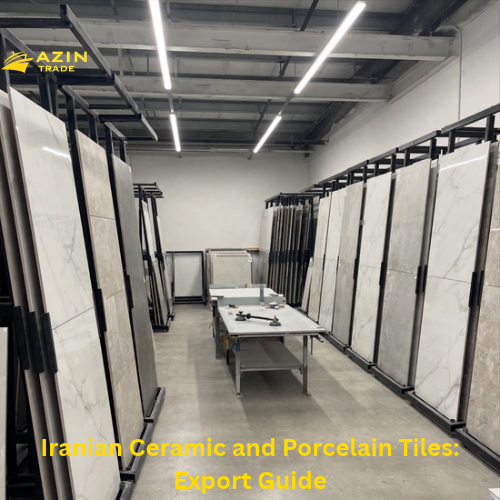
Iranian tile factories operate at large production scales. Modern manufacturing lines produce ceramic and porcelain tiles that meet international standards while remaining competitively priced. For Armenian distributors and retailers, this allows them to maintain healthy profit margins while offering attractive prices to the local market.
Short Transportation Routes
One major advantage of Ceramic Tile Export to Armenia from Iran is geographic proximity. Most shipments travel by truck through the Nordooz–Meghri border crossing. Compared to overseas imports, this route significantly reduces transit time and shipping costs.
Wide Range of Tile Designs
Iranian manufacturers offer extensive product catalogs, including:
• Porcelain floor tiles
• Ceramic wall tiles
• Large-format tiles
• Decorative and mosaic tiles
• Outdoor and anti-slip tiles
This diversity allows importers to supply different market segments, from affordable housing projects to luxury commercial developments.
Popular Tile Types in the Armenian Market
Porcelain Tiles
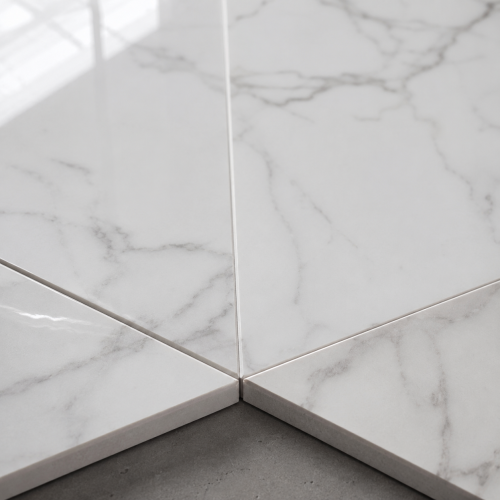
Porcelain tiles are widely used in commercial spaces and high-traffic areas because of their durability and low water absorption. Shopping centers, office buildings, and public facilities often prefer porcelain flooring due to its strength and long lifespan.
Ceramic Wall Tiles
Ceramic tiles remain the most common choice for bathrooms and kitchens in residential buildings. Builders often look for consistent color batches, modern textures, and practical sizes that simplify installation.

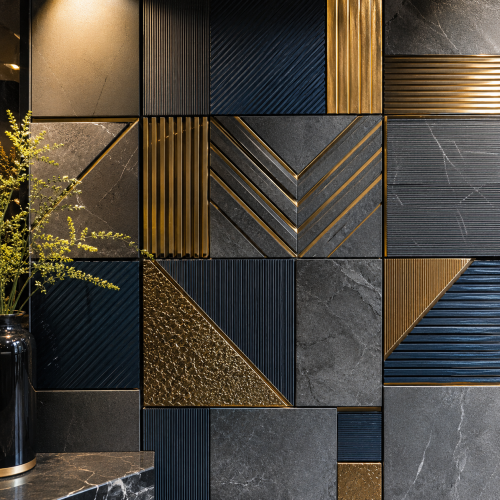
Decorative and Feature Tiles
Premium residential projects, boutique hotels, and restaurants often require decorative tiles to create distinctive interiors. These products include textured surfaces, patterned tiles, and specialty finishes.
Logistics of Ceramic Tile Export to Armenia
Although exporting tiles is relatively straightforward, it still requires professional handling. Ceramic products are heavy and fragile, and poor packaging can lead to significant losses during transportation.
Transportation Process
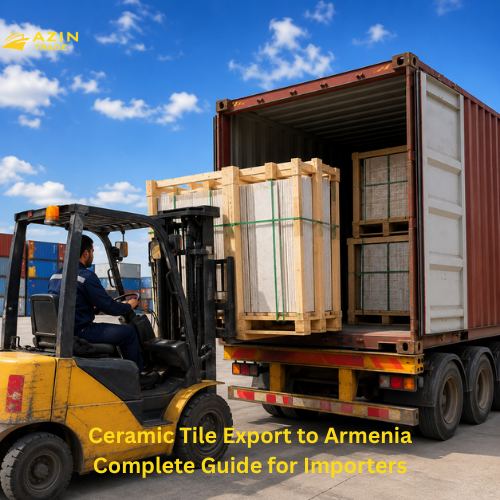
Most tile shipments move by truck through the Nordooz–Meghri crossing between Iran and Armenia. Depending on border conditions and truck scheduling, deliveries usually arrive within two to four days.
Packaging Standards
Reliable exporters prioritize protective packaging to minimize damage. Common export packaging methods include:
• Reinforced tile boxes
• Wooden pallets for safe transport
• Shrink wrapping for stability
• Corner protectors and straps
These measures help ensure that tiles arrive intact and ready for distribution.
Export Documentation
Professional suppliers prepare all necessary paperwork before shipment. This typically includes:
• Commercial invoice
• Packing list
• Certificate of origin
• Customs documentation
Incomplete documents can delay trucks at the border and increase logistics costs.
Challenges Importers May Face
Despite the advantages of regional sourcing, importers sometimes encounter issues when working with inexperienced exporters.
Inconsistent Tile Batches
Tiles produced in different manufacturing batches may vary slightly in shade. Without proper quality control, these differences can cause problems during installation.
Packaging Problems
Weak packaging increases the risk of breakage during transport. Damaged tiles cannot be sold or installed, which directly affects profitability.
Price Fluctuations
Tile prices may shift due to production costs or domestic demand. Stable suppliers typically offer clearer pricing structures and better planning for long-term cooperation.
Choosing the Right Supplier for Ceramic Tile Export to Armenia
Working with an experienced exporter can significantly reduce risk. A reliable supplier should offer:
• Clear communication
• Transparent pricing
• Pre-shipment quality inspections
• Strong export packaging standards
• Knowledge of Armenian customs procedures
These factors help ensure that shipments arrive safely and on schedule.
Why Importers Work with AzinTrade
AzinTrade focuses on building stable supply relationships rather than one-time transactions. By cooperating with established Iranian tile manufacturers, the company helps Armenian buyers access consistent quality and reliable delivery.
Key advantages include:
• Direct sourcing from trusted factories
• Quality inspection before shipment
• Export-grade packaging and palletization
• Efficient logistics coordination
• Clear communication throughout the process
For importers seeking predictable supply and smooth logistics, working with a structured export partner reduces operational uncertainty.
Future Outlook for the Armenian Tile Market
Armenia’s construction industry continues to grow, driven by urban development and increasing demand for modern interior finishes. As projects become larger and more sophisticated, the need for reliable suppliers will only increase.
Ceramic Tile Export to Armenia will remain an important trade channel, especially for distributors and developers seeking stable pricing and consistent supply from nearby markets.
Frequently Asked Questions (FAQ)
Is importing ceramic tiles from Iran to Armenia common?
Yes. Many Armenian importers source tiles from Iran because of competitive pricing, modern manufacturing capacity, and the short transportation distance between the two countries.
How long does tile delivery from Iran to Armenia take?
Most shipments arrive within two to four days after crossing the Nordooz–Meghri border, depending on customs procedures and truck availability.
What types of tiles are most imported to Armenia?
Porcelain floor tiles, ceramic wall tiles, decorative tiles, and large-format tiles are among the most commonly imported products for construction and renovation projects.
How are tiles packaged for export?
Export shipments typically use reinforced boxes placed on wooden pallets, combined with shrink wrapping and protective corner guards to prevent damage during transport.
What should importers check before ordering tiles?
Importers should verify tile grade, batch consistency, packaging standards, and export documentation. Working with experienced exporters helps minimize these risks.
Start Working with azintrade Today
If you are tired of unreliable suppliers, inconsistent quality, and unexpected delivery problems, it’s time to upgrade.
Start your next shipment with azintrade —
the supplier that values your business, your deadlines, and your success.
Contact azintrade now and build a strong, stable, and profitable supply chain for ceramic and porcelain tiles in Azerbaijan.
✅ For expert consultation and product orders, click here.