
Cement Clinker for Sale: Grades, Prices, and How to Buy in Bulk
If you’ve searched for cement clinker for sale, you’ve probably noticed the same thing I did. Most results are marketplace listings — Alibaba, TradeKey, EC21. A product photo, a price range, and a “contact supplier” button. Nothing actually explains what you’re buying. Nothing tells you what a fair price looks like, or what questions separate a real supplier from someone simply reselling a listing. This guide is built to fill that gap.
What Cement Clinker Actually Is
Before comparing prices for cement clinker for sale, it helps to know exactly what’s inside the bag or bulk shipment you’re paying for.
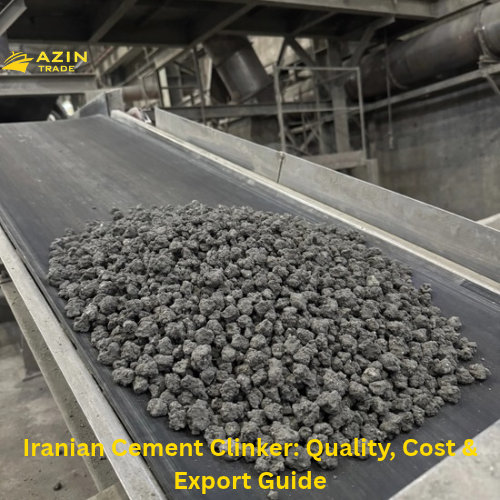
Cement clinker is the semi-finished nodular material that comes out of a rotary kiln during cement production, before grinding. Manufacturers make it by heating limestone and clay to around 1450°C. According to Wikipedia’s entry on cement clinker, this fuses the raw materials into hard, rounded nodules roughly 3 to 25 millimeters across.
Cement plants then grind that clinker with gypsum to produce the finished cement most people actually use on a construction site. If you’re buying clinker rather than finished cement, you’re either running your own grinding mill or supplying one. Clinker on its own isn’t something you can use directly in construction.
That distinction trips up more first-time buyers than anything else in this market. Someone new to sourcing sometimes assumes “clinker” and “cement” are interchangeable terms for the same bagged product. They’re not. If your operation doesn’t have grinding capacity, ordering clinker instead of cement is a problem. You’d be paying for a shipment you can’t actually use until it goes through another processing step.
Grey vs. White Clinker: Which One Should You Actually Buy?
This is the first real decision point when comparing cement clinker for sale, and it comes down to what you’re building, not just what’s cheaper.
Grey clinker is the standard, high-volume product used in ordinary Portland cement. It’s the material behind almost every foundation, slab, and structural pour. White clinker costs noticeably more, typically 15 to 30% above grey. It needs purer, low-iron limestone and stricter kiln conditions to avoid the discoloration that ruins its whole purpose.
If you’re supplying a cement plant producing general construction cement, grey clinker is almost certainly what you want. If your buyer is working on architectural facades, precast decorative panels, or terrazzo, white clinker is the one that actually gets specified. Azintrade’s own grey vs. white clinker breakdown goes deeper into the chemistry if you want the full technical picture.
Mixing these up is an expensive mistake, not just an inconvenient one. A buyer who orders grey clinker for a project that specified white finish ends up with a rejected shipment. Then comes the scramble for a replacement supplier and a construction delay that costs far more than the price difference between the two grades ever would have.
What Actually Drives Cement Clinker Prices?
The number on a listing page is a starting point. If you’re comparing cement clinker for sale from different suppliers, several factors can change the final cost significantly.
- Energy costs — kiln operation is energy-intensive, and clinker prices track coal, petcoke, and gas prices closely. When fuel costs spike, clinker prices generally follow within a quarter or two.
- Order volume — bulk carrier shipments, typically 10,000+ metric tons, price very differently per ton than a smaller containerized order.
- Grade and certification — clinker meeting ASTM C150 or EN 197-1 standards, with documented lab results, costs more than uncertified material. Those standards exist to guarantee consistent strength and setting behavior, so the premium buys something real.
- Freight distance and route — the same clinker costs less landed in a nearby market than shipped halfway around the world. This is why regional suppliers often beat lower headline prices from farther away once freight gets added in.
- Currency movements — most international clinker contracts settle in US dollars. Exchange rate swings on either end affect your real cost.
Anyone quoting you a single flat number without breaking these factors apart is doing one of two things: either simplifying more than they should, or hoping you won’t ask.
Standards and Certifications Worth Checking Before You Buy
A low price on an uncertified batch isn’t a deal. It’s a risk you’re accepting without knowing it.
ASTM C150 is the standard most North American buyers reference for Portland cement clinker quality. It covers chemical composition limits and physical performance requirements. EN 197-1 is its European equivalent, used widely across the Gulf, Africa, and Central Asia as a reference standard in export contracts.
A legitimate supplier should provide third-party lab results for compressive strength, fineness, and chemical composition without being asked twice. A certificate of conformity with no underlying data attached isn’t the same thing. It’s worth noticing when a supplier substitutes one for the other.
If you’re buying at bulk volumes, take the extra day to actually read that lab report before wiring a deposit.
Bulk Order Minimums and Shipping Formats
How you order cement clinker for sale changes both your price and your logistics, so it’s worth planning this before requesting quotes.
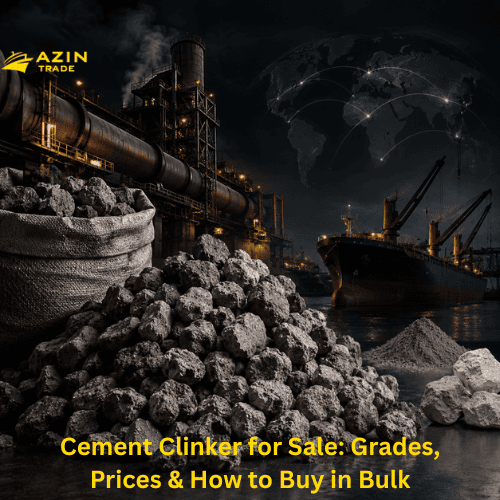
Most bulk clinker moves by sea in bulk carriers. Shipments commonly start around 5,000 to 10,000 metric tons for the best per-ton pricing. Smaller buyers can often arrange containerized shipments in the hundreds of tons instead.
This includes cement plants without their own port access, or traders testing a new supplier relationship. That comes at a higher per-ton cost, but with far less commitment.
Overland routes matter too if you’re buying for a neighboring country rather than a distant one. Trucked or rail shipments avoid ocean freight entirely and can undercut sea freight on total landed cost for the right route.
Ask your supplier directly which format they actually ship. Don’t assume every quote you receive is apples-to-apples.
How to Actually Vet a Clinker Supplier
A polished catalog page and a competitive price tell you very little about whether the shipment will actually match the specification.
When evaluating a supplier offering clinker for export, use this checklist:
- Ask for a named production facility. A supplier who can tell you exactly which plant is producing your order is a different kind of business than one reselling an unnamed batch.
- Request current lab results, not a generic brochure. Certificates dated years ago, or with no batch number attached, aren’t worth much.
- Confirm certification standard explicitly. ASTM and EN requirements aren’t automatically interchangeable. Check which one your project actually requires.
- Ask what happens if a shipment doesn’t match spec. A supplier with a clear, specific answer has handled this before. One who gets vague hasn’t, or won’t admit it.
- Get freight and FOB pricing broken out separately. Bundled pricing makes it hard to compare suppliers or catch an inflated freight markup.
None of this is complicated advice. It’s the same due diligence any experienced buyer applies before a first order with a new supplier, in any industry. It just matters more here, since a bulk clinker shipment represents real money and a real construction timeline.
What Buyers Actually Ask Before Ordering
These are the questions that come up over and over once someone’s past the “how much does it cost” stage and actually planning a real order.
“Can I get a sample before committing to a full shipment?”
Most established suppliers can arrange this. It’s worth insisting on for a new relationship rather than jumping straight to a first order at full volume.
“What’s the difference between OPC clinker and Type V?”
Type V, sulfate-resistant clinker has a lower C3A content. That matters specifically for structures exposed to sulfate-rich soil or seawater. It’s not just a pricing tier — it’s a different chemical profile for a different application.
“Why do two suppliers quote such different prices for what looks like the same product?”
Usually it comes down to certification level, freight terms, and whether the price includes documentation and testing or strips it out to look more competitive on paper.
“Is clinker the same thing as cement I can use directly?”
No. This trips up more first-time buyers than almost anything else on this list. Clinker has to be ground with gypsum before it becomes usable cement.
“How long can clinker sit in storage before it degrades?”
Kept dry, clinker stores well for months without meaningful quality loss. That’s part of why it trades internationally so easily — it tolerates the transit time a more perishable material couldn’t.
My Take, for What It’s Worth
Having gone through a lot of these supplier pages and marketplace listings myself, here’s where I’ve landed.
The lowest quoted price per ton is rarely the number that determines whether an order goes well. The suppliers worth actually working with are the ones who volunteer lab data. They name their production facility without hesitation. They answer the “what if it doesn’t match spec” question with something more specific than a vague reassurance.
Price still matters — nobody’s arguing otherwise — but it’s the second filter, not the first. The first filter is whether you can verify what you’re being told. It’s also how much friction there is in getting a straight answer before you’ve sent any money.
Request a Cement Clinker Quote
If you’re comparing cement clinker for sale from different suppliers, Azintrade can help you evaluate current grades, certifications, and pricing for both bulk and smaller trial orders.
Contact Azintrade today for a quote broken down by grade, freight, and documentation — not a single bundled number you can’t audit.